A drainage system is an engineered method for collecting, redirecting, storing, or releasing extra water from a property. These effective drainage solutions manage runoff and help prevent erosion and foundation damage.
| Type | Use Case | Est. Cost |
|---|---|---|
| French Drain | Subsurface water | $2k–$5k |
| Grading | Surface flow | $1k–$4k |
| Downspout | Roof runoff | $500–$1.5k |
Last spring, an Atlanta homeowner watched his backyard become a muddy lake after a heavy storm. Georgia’s dense clay soil kept water from soaking into the ground, so it pooled against his foundation. This common problem shows why proper water management matters for local landscapes.
The right setup depends on your yard’s slope, soil composition, and local rainfall patterns. From simple grading to complex subsurface pipes, professional water control protects your property value.
Key Takeaways
- Engineered water management protects your home foundation from costly moisture damage.
- Georgia’s heavy clay soil requires specialized planning to prevent standing water.
- Surface grading is often the first step in redirecting runoff away from structures.
- Subsurface options like French drains effectively handle deep soil saturation.
- Total project costs vary based on site accessibility and specific discharge needs.
What Is a Drainage System?
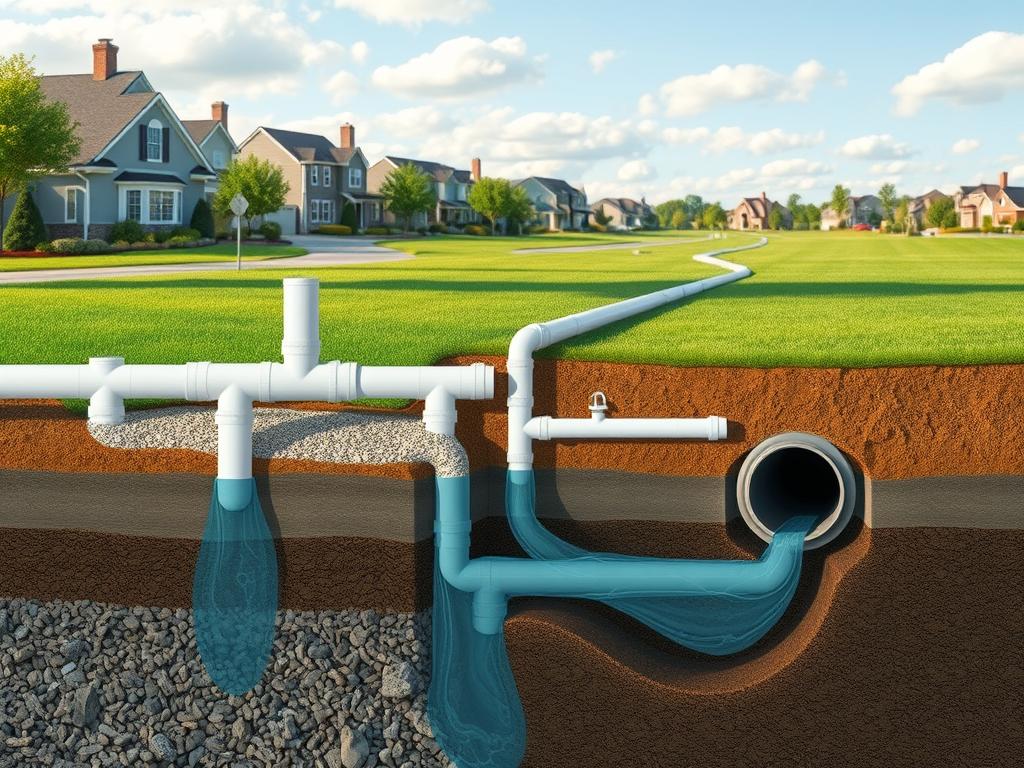
A drainage system is vital infrastructure that manages excess water around your property. It collects, moves, and releases water away from sensitive areas, preventing saturation and damage.
Effective stormwater management combines grading, collection points, pipes, and discharge outlets. Together, these parts keep water from pooling near your home or landscape features.
Definition and Purpose
At its core, a drainage system is an engineered network that controls surface and subsurface water. It separates water collection, which gathers runoff, from water disposal, which moves water to a safe exit.
A properly designed system moves water away from foundations instead of storing it beside a structure. Swales, aggregate, and pumps guide water toward a storm drain or designated retention area.
Importance for Property Protection
Protecting your home from water damage is the main goal of any strong drainage system. Water against a foundation creates hydrostatic pressure, which can cause cracks and basement leaks.
Proper stormwater management also protects hardscapes, such as driveways and walkways. It prevents water from weakening the soil beneath them, avoiding costly settlement and shifting over time.
Common Problems Caused by Poor Drainage
Neglecting water flow can cause serious environmental and structural harm. The EPA identifies erosion and sediment runoff as major problems that damage soil quality and pollute local waterways.
Homeowners often see damage when systems fail. The following table lists common problems linked to poor water control:
| Problem Type | Primary Cause | Potential Impact |
|---|---|---|
| Soil Erosion | Uncontrolled runoff | Loss of topsoil and landscape damage |
| Hydrostatic Pressure | Water pooling at foundation | Structural cracks and basement flooding |
| Hardscape Failure | Sub-base saturation | Cracked driveways and uneven pavers |
| Plant Stress | Poor soil aeration | Root rot and vegetation death |
Types of Drainage Systems
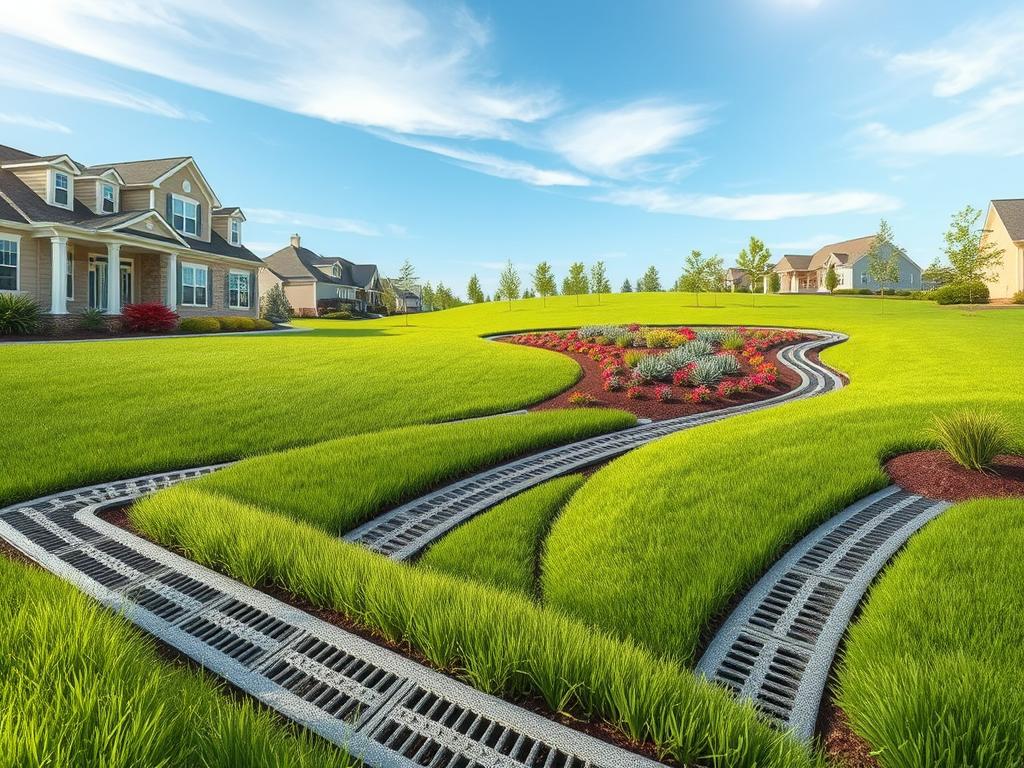
Managing excess water starts with understanding today’s drainage methods. The right choice depends on your property’s topography and water flow. Whether you need residential drainage solutions or large-scale infrastructure, the right system helps prevent long-term damage.
| System Type | Primary Function | Best Location | Typical Application |
|---|---|---|---|
| Surface | Collects sheet flow | Lawns and driveways | Commercial drain systems |
| Subsurface | Intercepts groundwater | Near foundations | Underground drainage solutions |
| French Drain | Redirects water | Saturated soil areas | French drain installation |
Surface Drainage Systems
Surface systems collect visible water before it pools or causes erosion. They use gravity to move water from structures through swales, channel drains, and catch basins. Effective surface water drainage is vital when heavy rain falls across open yards.
Subsurface Drainage Systems
Subsurface systems work below ground to intercept water that has soaked into soil. These underground drainage solutions protect home foundations, retaining walls, and saturated planting beds. They capture moisture before it reaches structural elements, preventing costly water damage.
French Drains
A French drain is a trench filled with gravel or rock and fitted with a perforated pipe. It redirects groundwater away from low areas on your property. Proper French drain installation requires careful attention to slope, filter fabric, and a clear discharge outlet.
- Pipe: Perforated PVC or corrugated pipe collects the water.
- Stone: Clean gravel allows water to enter the pipe while filtering debris.
- Filter Fabric: Prevents soil from clogging the gravel and pipe system.
- Outlet: Ensures water is moved to a safe location rather than just holding it.
Importance of Drainage in Georgia
Georgia’s complex geology makes water flow hard to manage with one plan. From the Blue Ridge mountains through the Piedmont plateau to the Coastal Plain, each property faces unique pressures. A successful drainage system must fit these regional differences to protect your home and landscape.
Varied Climate Impacts
Georgia has high humidity and intense seasonal rainfall that can overwhelm standard landscaping. Proper stormwater management keeps water from pooling near foundations during heavy summer storms. Without a tailored plan, even minor weather events can cause serious saturation across different provinces.
Soil Composition Challenges
Your soil controls how quickly water moves away from your property. In the Piedmont region, dense red clay drains slowly, causing standing water and soil compaction. By contrast, the Coastal Plain has sandier soil that drains faster but may have seasonal high water tables.
Properties in the Blue Ridge often have shallow soil over fractured crystalline rock. This variety means a drainage system designed for one neighborhood may fail in another. Knowing your soil type is the first step toward effective stormwater management.
Flora and Fauna Considerations
Water control helps maintain healthy plants and protect local habitats. Excess runoff can drown sensitive roots or wash away nutrients, while poor drainage creates breeding grounds for unwanted pests. Implementing sustainable drainage systems helps reduce these risks by filtering runoff naturally.
Choosing sustainable drainage systems can reduce polluted runoff and support local biodiversity. These methods keep your property functional and beautiful without causing new flow problems nearby. Thoughtful design balances your garden’s needs with regional stormwater management and long-term property health.
Signs Your Yard Needs Improved Drainage
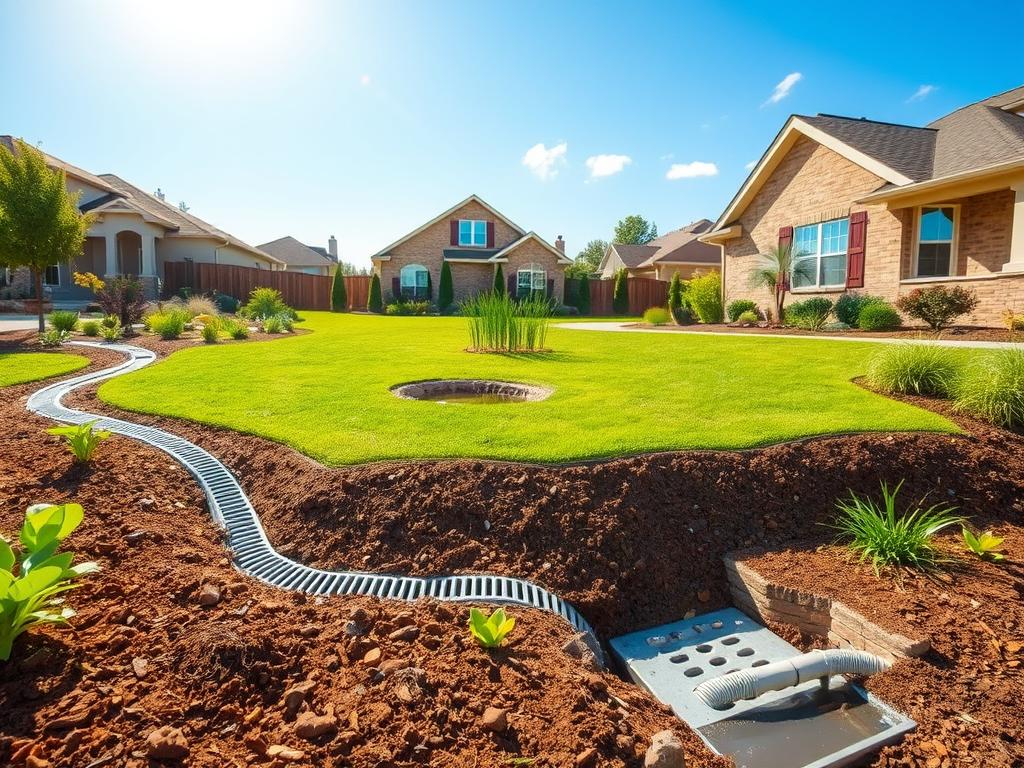
Your yard may show subtle signs when it cannot handle extra water. Some dampness after a heavy storm is normal, but water lasting days signals trouble. Spotting these signs of lawn drainage issues early can prevent costly damage to your home foundation and landscape.
Puddles and Standing Water
The clearest sign of poor drainage is standing water. If puddles remain more than 24 hours after rain stops, your soil is likely saturated. Trapped moisture blocks oxygen from grass roots and creates a breeding ground for pests.
Watch areas near your home foundation or hardscapes, such as patios and driveways. Pooling water there can cause structural cracks or basement leaks. When water does not drain naturally, effective drainage solutions become essential.
Erosion Issues
Erosion starts when water crosses your property through uncontrolled channels. You may see moved mulch, exposed tree roots, or small gullies in garden beds. These signs show your current surface water drainage cannot handle heavy rainfall.
When soil washes away, it can take vital nutrients with it, leaving your lawn thin and patchy. Sediment on walkways or driveways clearly shows water is carrying soil away. Quickly addressing these flow patterns helps protect your yard.
Plant Health Indicators
Plants can reveal soil moisture levels. Yellow leaves, stunted growth, or wilting despite regular watering may signal root rot. Constantly wet soil suffocates roots and blocks mineral absorption.
To determine if your yard requires professional help, follow this inspection process:
- Map out areas where water pools consistently during a rain event.
- Observe the direction of water flow to see if it moves toward your home.
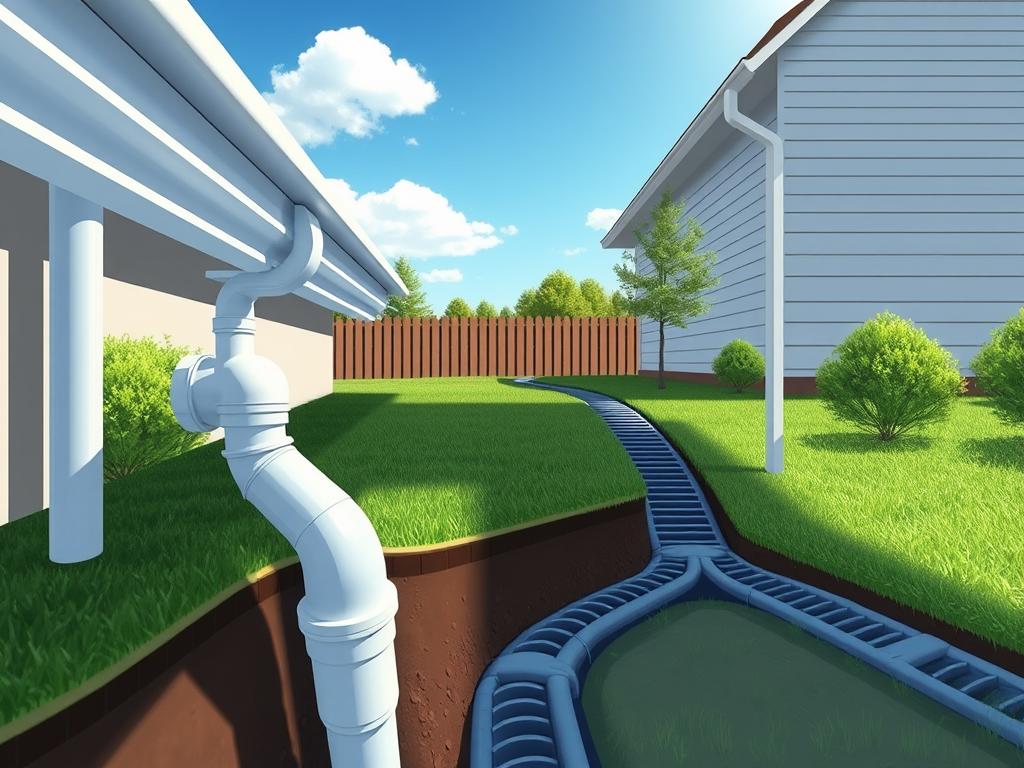
- Check your downspout outlets to ensure they are not clogged or dumping water too close to the foundation.
- Assess whether the ground slopes away from your house or toward it.
If these steps reveal problems that simple grading cannot fix, consult a professional. Experts can tell whether you need subsurface systems or advanced surface water drainage to protect your property. Investing in effective drainage solutions now can prevent significant repair costs later.
Costs of Installing a Drainage System
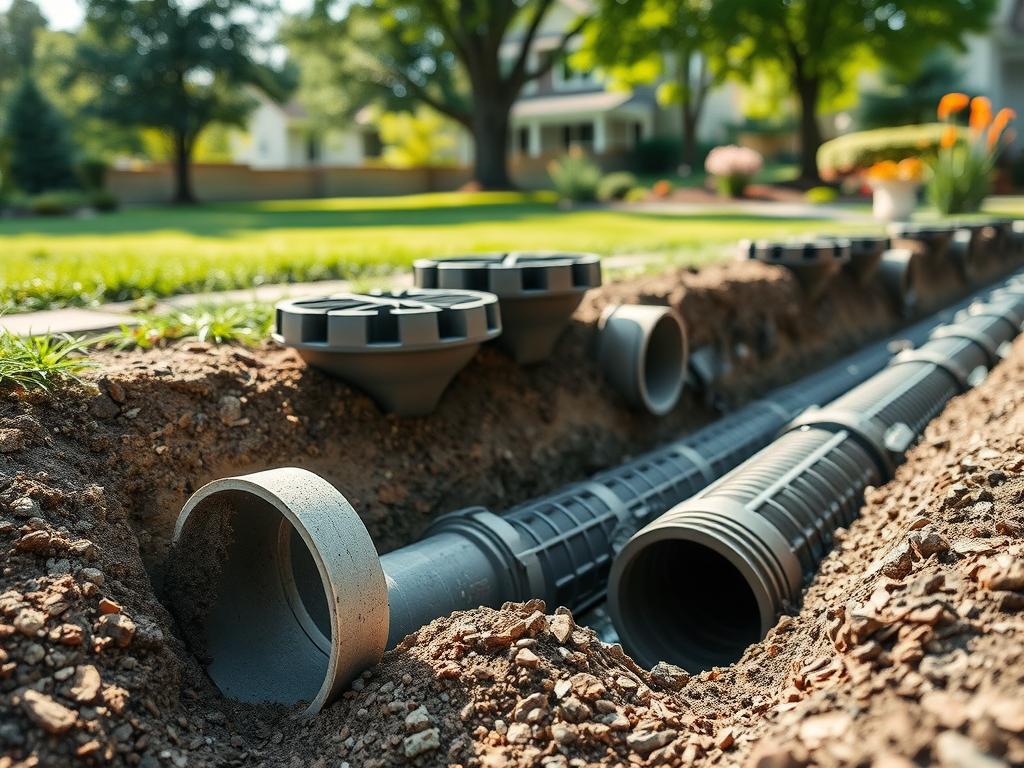
Investing in a proper drainage system protects your Georgia property from water damage. Homeowners may seek a simple price per foot, but landscape conditions shape the total cost. Professional residential drainage solutions must address each site’s challenges, so prices vary.
Factors Affecting Cost
Many factors influence your project’s final quote beyond pipe length. Contractors must consider the labor and materials needed for your specific yard.
- Soil Composition: Excavating through heavy Georgia clay is significantly more labor-intensive than digging in loose topsoil.
- Site Access: If heavy machinery cannot reach the work area, manual labor costs will increase.
- Material Volume: The amount of gravel or stone needed for a French drain installation impacts both material and transport costs.
- Slope and Grading: Correcting the natural pitch of your land requires precise earthwork to ensure water flows away from your foundation.
- Restoration: Replacing sod, plants, or hardscaping after the pipes are buried adds to the total project price.
Average Installation Prices in Georgia
This table shows estimated price ranges for common water management projects. These averages can change when your site has greater complexity.
| Project Type | Estimated Cost Range | Primary Cost Driver |
|---|---|---|
| Downspout Extensions | $300 – $800 | Pipe length and burial depth |
| French Drain Installation | $1,500 – $4,500 | Stone volume and excavation |
| Channel Drains | $1,200 – $3,000 | Concrete cutting and materials |
| Underground Drainage Solutions | $2,500 – $7,000+ | System scale and site restoration |
Long-Term Savings from Proper Drainage
A drainage system may have a significant upfront cost, but it protects your home like insurance. Ignoring water problems can cause much higher costs later. You may face costly repairs for cracked foundations, rotting wood, or failing retaining walls.
Consistent erosion can also destroy expensive landscaping and hardscaping features. Installing effective residential or commercial drain systems now helps prevent growing emergency repair costs. Proactive water management protects property value and brings peace during Georgia’s heavy rain seasons.
DIY vs. Professional Drainage Solutions
Choosing the right drainage plan depends on your property’s terrain and specific water problems. Homeowners can often extend a downspout, but larger projects need specialized knowledge for lasting results.
Pros and Cons of DIY
Handling small-scale residential drainage solutions yourself can save money and bring a sense of accomplishment. Clearing gutter debris or installing basic splash blocks makes a good weekend project.
DIY work becomes risky when a project exceeds your skills. Without proper training, complex systems often have incorrect pitch, poor outlet placement, inadequate filter fabric, and insufficient aggregate. These mistakes can cause total system failure or new runoff disputes with neighbors.
When to Hire a Professional
Hire an expert for major landscape changes, including grading correction or retaining-wall drainage. A proper French drain installation requires precise excavation and material selection for long-term performance.
Qualified contractors provide effective drainage solutions based on local soil and climate patterns. They have the heavy machinery and technical skills for multi-system projects that prevent structural water damage.
Tips for Finding a Reputable Contractor
Choosing the right contractor helps ensure the job is done correctly the first time. Follow these steps to check potential service providers:
- Verify that the contractor holds a valid license and carries comprehensive liability insurance.
- Request references from previous clients who had similar drainage work completed.
- Obtain a detailed, written scope of work that includes specific discharge planning.
- Review the warranty terms to understand what is covered if the system fails.
- Ensure the quote is itemized and includes all necessary permits for your local area.
Maintenance of Drainage Systems
Even advanced underground drainage solutions need routine care to work well. Without regular attention, a drainage system may develop clogs, soil settlement, or lower capacity over time. Professional lawn maintenance helps protect your property from water damage all year.
Regular Inspections
Inspect your property’s water management components visually at least twice a year. Walk your yard after heavy rain to find places where water moves poorly. Use this checklist to keep your drainage system in top shape:
- Clear debris from all surface grates and catch basins.
- Check cleanouts for blockages or signs of sediment buildup.
- Verify that pop-up emitters open freely when water flows through the pipes.
- Inspect French drain outlets for obstructions or erosion at the discharge point.
- Ensure all exposed pipe connections remain secure and free of cracks.
Cleaning Out Drains
If you see standing water near drains, clear the system. Remove leaves, grass clippings, and dirt from the tops of your grates first. If the blockage remains, flush the pipes with a garden hose to remove stubborn sediment.
For deeper clogs in your underground drainage solutions, use a plumbing snake or professional-grade drain cleaner. Wear gloves and eye protection when handling debris. If water still will not drain, contact a professional to prevent damage to the pipe infrastructure.
Seasonal Considerations
Georgia’s climate calls for proactive seasonal maintenance. Before fall storms arrive, clear all gutters and yard drains of fallen leaves to prevent major clogs. During winter and early spring, inspect your landscape for erosion caused by frequent rainfall.
Before the intense summer thunderstorm season begins, make sure all outlets are clear. These small steps keep your drainage system efficient and protect your home from costly water-related repairs.
Drainage Regulations in Georgia
Breaking local drainage ordinances can cause serious legal and financial problems for property owners. Georgia rules vary by county, municipality, and project size. Check with your local planning department before starting any water management project.
Local Guidelines
Local governments often set runoff rules to prevent flooding on nearby properties. These rules support effective stormwater management and help protect public infrastructure from excess water. Check whether your property lies in a protected watershed or historic district.
Changes to land levels often cause disputes in residential areas. Many cities require existing drainage patterns to remain unchanged, protecting nearby properties from unexpected water. If your project changes natural water flow, you may need detailed site plans for review.
Permits Needed for Installation
Separate routine yard care from major construction to stay compliant. Cleaning gutters or removing debris usually requires no formal approval. Installing underground pipes, dry wells, or major grading often requires a permit.
Before work begins, check whether you need an erosion-control review or utility marking. Large installations may require engineered plans to meet safety standards. Missing permits can lead to stop-work orders or required removal of your new system.
| Project Type | Permit Required | Regulatory Focus |
|---|---|---|
| Routine Gutter Cleaning | No | None |
| Minor Grading/Landscaping | Possible | Erosion Control |
| New Pipe Installation | Yes | Stormwater Discharge |
| Large Retention Systems | Yes | Engineered Compliance |
Best Practices for Compliance
Using sustainable drainage systems helps manage water while meeting legal requirements. These systems often use natural filtration and infiltration, which local environmental agencies favor. Keeping water on your property reduces pressure on public storm drains and lowers legal liability.
Record existing grades before construction to create a useful baseline for future disputes. Protect nearby properties by directing discharge points toward approved areas. These steps help keep your project functional and compliant with Georgia law.
Landscaping Considerations with Drainage Systems
Effective landscaping does more than beautify your home. It also supports your property’s water management strategy. The right plants and materials create residential drainage solutions that protect your home from water damage and improve outdoor living.
Native Plants for Drainage Areas
Native plants help manage excess moisture in your yard. Their deep roots stabilize soil and naturally increase water infiltration rates.
Consider a rain garden in low areas where water collects. Swamp milkweed, Joe Pye weed, and native sedges thrive there. They absorb runoff before it causes erosion or foundation damage.
Combining Aesthetics and Functionality
Your landscape design should protect your home’s structure while improving visual appeal. Keep mulch and soil at least six inches below your siding to maintain foundation clearance.
When planning garden beds, ensure they do not block surface water drainage paths or outlet pipes. Maintain positive grading to direct water away from the house, even with decorative rocks or raised beds. Keep drainage system access points clear for future inspections.
Sustainable Practices to Improve Drainage
Using sustainable drainage systems means choosing materials that let water return to the ground instead of pooling. Permeable pavers, gravel paths, and organic mulch can slow runoff.
Swales are shallow, landscaped channels that can look like natural dry creek beds. They safely direct water away from sensitive areas. These features reduce erosion and filter pollutants before runoff reaches local waterways.
| Feature | Primary Benefit | Maintenance Level | Aesthetic Impact |
|---|---|---|---|
| Rain Gardens | High Infiltration | Moderate | High |
| Permeable Pavers | Surface Runoff Control | Low | High |
| Dry Creek Beds | Erosion Prevention | Low | Moderate |
| Native Grasses | Soil Stabilization | Low | Natural |
Future Technologies in Drainage Solutions
Modern technology changes how we protect property from water damage. Advanced sensors and automated pumps provide real-time data, improving any drainage system’s reliability. These tools help homeowners and facility managers find blockages or pump failures before major problems begin.
Innovative Products and Materials
New materials like high-density polyethylene and permeable pavers improve stormwater management. These products allow water to filter into the ground naturally. They cut runoff volume while keeping soil stable.
Smart Drainage Systems
Smart sensors monitor water levels in real time. Systems from brands like Rain Bird or NDS send automated alerts directly to your smartphone. This proactive approach helps commercial drain systems work during heavy storms.
Case Studies of Successful Implementations
A clay-heavy residential yard in Atlanta used a modular collection system to stop chronic flooding. A separate commercial project used sustainable drainage systems to manage runoff from a large retaining wall. Both sites show that matching technology to soil type and grading supports long-term success.
Evaluate your property needs today to use these modern solutions. Proper planning keeps your landscape dry and secure for years. Contact local experts to discuss how these innovations fit your specific environment.