Have you ever wondered how the outdoor aesthetics of your home can transform your daily life? In 2026, innovative landscape design ideas will redefine how we perceive our outdoor spaces. With the right approach, your garden can become a beautiful and functional extension of your home.
As we embrace this pivotal year, it’s essential to implement fresh concepts that not only enhance beauty but also cater to your lifestyle needs. Every successful project starts with a clear vision, harmonizing your home’s architecture with your personal preferences.
By focusing on intentional planning, you can create an outdoor sanctuary that offers aesthetic pleasure and practical utility year-round. Whether you’re starting from scratch or renovating, understanding the fundamentals of space and structure is key to success.
This guide will help you navigate the complexities of modern gardening while ensuring your outdoor area reflects your personality and remains environmentally responsible.
Key Takeaways
- Fresh concepts can transform your outdoor space into a cohesive living area.
- A clear vision is crucial for aligning your home’s architecture with your lifestyle.
- Intentional planning enhances both beauty and utility throughout the year.
- Understanding space and structure is essential for successful renovations.
- This guide provides a roadmap for sustainable and inviting outdoor areas.
Overview of Landscape Trends for 2026
The landscape of gardening is evolving, with sustainability taking center stage in 2026. Homeowners are increasingly drawn to outdoor spaces that combine ecological health with modern aesthetics. This shift is not just about beauty; it also emphasizes practicality and low maintenance.
Experts predict that successful projects will blend traditional elements with contemporary, eco-friendly materials. This fusion creates unique outdoor atmospheres that reflect personal style while being kind to the environment.
Staying updated on these trends is crucial. It allows homeowners to make informed choices about plant selection, hardscaping materials, and overall layout. These innovative approaches are redefining how we connect our indoor living spaces with the natural world outside.
| Trend | Description | Benefits |
|---|---|---|
| Sustainability | Focus on eco-friendly practices | Reduces environmental impact |
| Technology Integration | Use of smart gardening tools | Enhances efficiency and ease |
| Low Maintenance | Designs that require less upkeep | More time for enjoyment |
Understanding the Basics of Landscape Design
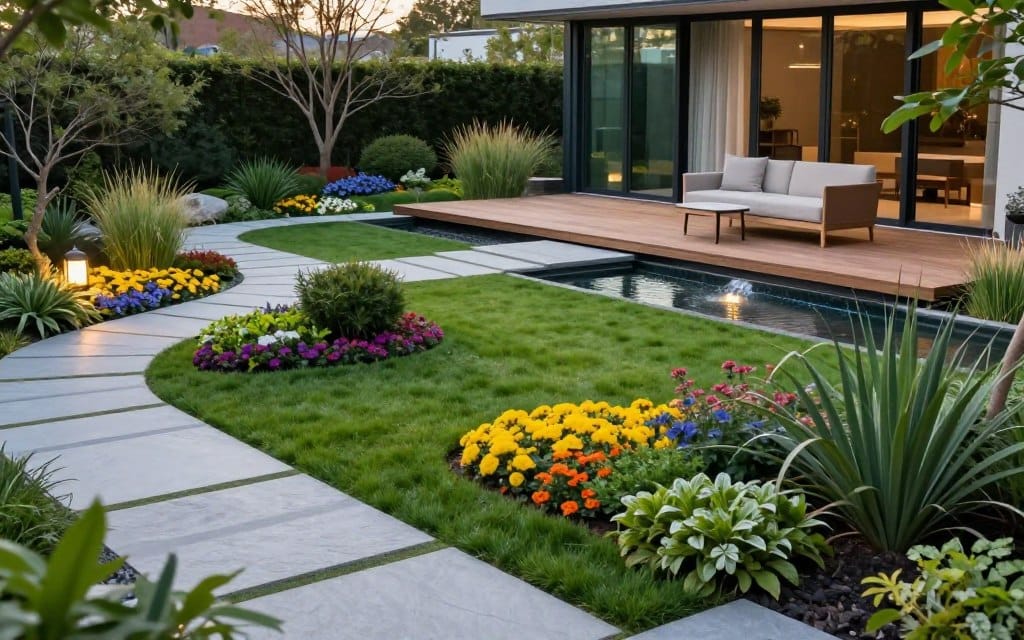
A well-planned outdoor area can significantly enhance your living experience. To create a stunning garden, it’s vital to master the ten essential elements and principles of landscape creation. These guidelines help ensure your outdoor space feels balanced and harmonious.
Before diving into physical work, sketching your vision is crucial. This process allows you to visualize how different features will interact within your available area. A thoughtful design considers movement flow, making your garden both functional and visually appealing.
By focusing on principles like scale, proportion, and rhythm, you can sidestep common pitfalls that lead to cluttered looks. Your initial sketch should be a flexible roadmap, enabling you to experiment with layouts before investing in costly materials or permanent plantings.
| Element | Description | Importance |
|---|---|---|
| Scale | Size of elements in relation to each other | Creates balance and harmony |
| Proportion | Relationship between parts of the design | Enhances visual appeal |
| Rhythm | Repetition of elements | Guides the eye through the space |
| Balance | Distribution of visual weight | Achieves stability in the design |
| Unity | Coherence among elements | Creates a cohesive look |
Planning Your Outdoor Space: From Concept to Execution
Envisioning your yard’s potential is the first step towards an inviting outdoor space. Homeowners often invest around 10% of their home’s value into professional landscaping. This commitment reflects the importance of creating a beautiful and functional environment.
Start by creating a rough sketch of your yard. This sketch helps document existing features like trees, patios, and pools. Once you have a visual reference, accurate measurements are essential. They dictate where to place new elements, from garden beds to hardscaping.
Professional design plans can range from $2000 to $8000, depending on the project’s scope. These plans provide a detailed blueprint, helping you avoid costly mistakes. Transferring your rough sketch to graph paper allows for precise scaling, ensuring your final design is accurate.
Building a Strong Foundation with Core Design Principles
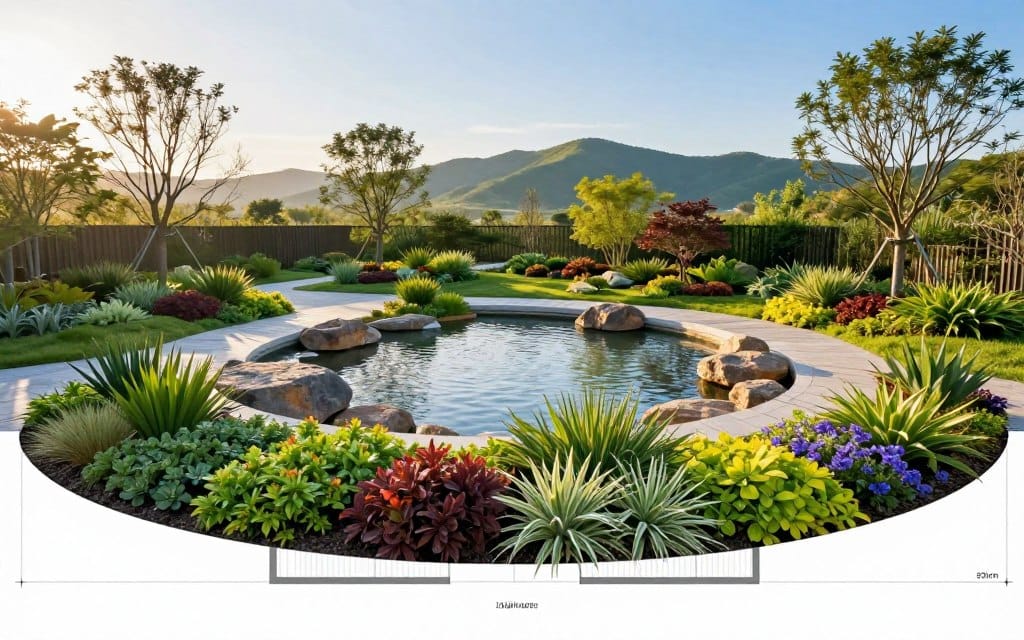
Creating a beautiful outdoor environment starts with understanding key principles. Following the eight landscape design rules ensures that your residential garden remains balanced. This approach helps avoid the common pitfall of becoming too fussy or cluttered.
A strong foundation in your landscaping project relies on the consistent application of these principles. They unify disparate elements into a cohesive whole. By adhering to these established rules, you can create a sense of order that makes your garden feel intentional and peaceful.
These principles help you manage the visual weight of different features. This ensures that no single element overwhelms the rest of your outdoor environment. Implementing these core concepts early in the process provides the stability needed to layer in more complex decorative features and plant arrangements later.
| Design Principle | Description | Importance |
|---|---|---|
| Balance | Distribution of visual weight | Creates harmony in the garden |
| Unity | Coherence among elements | Enhances overall aesthetics |
| Scale | Size of elements in relation to each other | Ensures proportionality |
| Rhythm | Repetition of elements | Guides the eye through the space |
| Focal Points | Key features that draw attention | Creates interest and depth |
For more insights on creating your outdoor living spaces, check out this resource: how to design outdoor living spaces.
Innovative Landscape Design Ideas for Your Unique Space
Transforming your outdoor space can create a sanctuary that reflects your style and enhances your home. One effective approach is the seamless integration of hardscaping and softscaping. This combination allows for a balanced environment that is both functional and inviting.
Hardscaping elements, like stone paths, provide structure and flow. In contrast, softscaping adds vibrant colors and textures through lush garden beds. Balancing these components is essential for creating a space that feels cohesive and welcoming.
By carefully selecting materials that complement your home’s architecture, you can ensure that your outdoor area feels like a natural extension of your living space. Successful projects often use hardscape boundaries to frame softscape plantings, resulting in a clean, modern look that is easy to maintain throughout the year.
| Element | Description | Benefits |
|---|---|---|
| Hardscaping | Incorporation of non-plant elements | Provides structure and durability |
| Softscaping | Use of plants and organic materials | Adds color and seasonal interest |
| Material Selection | Choosing complementary materials | Enhances overall aesthetic appeal |
Embracing Modern and Traditional Aesthetics in Landscaping
The fusion of modern and traditional aesthetics can create a truly unique outdoor experience. This blend allows homeowners to craft a look that reflects personal preferences while enhancing their property.
Traditional cottage garden styles have captivated homeowners since the 1400s. These designs often feature rounded corners and abundant flowers, creating a romantic and layered atmosphere. In contrast, modern styles favor clean lines and minimal ornamentation, focusing on materials like wood and concrete.
Balancing ornamentation with minimalism is essential. This skill ensures that your garden does not feel too sparse or overly cluttered. Modern aesthetics typically emphasize simplicity, while traditional styles invite a more intricate approach.
By understanding these diverse styles, you can curate an outdoor space that feels cohesive and inviting. Whether you lean towards a classic look or a contemporary vibe, your garden can be a true reflection of your taste.
For more information on maintaining your outdoor areas, check out commercial landscape maintenance services.
Enhancing Curb Appeal with Front and Side Yard Concepts
The first impression of your home often starts at the front yard, making it essential to enhance its appeal. Thoughtful design can transform this space into a welcoming introduction to your property.
Foundation planting is a great way to achieve this. Consider using pyramidal evergreens or columnar shrubs to frame windows. These choices soften the transition between your home and the yard, adding elegance.
Don’t overlook side yard concepts. They offer significant potential for creating private pathways or small garden areas for your family. These features can enhance the functionality of your outdoor space.
A well-designed front yard employs symmetry and carefully selected shrubs. This creates a welcoming entrance that reflects your home’s style. By focusing on your home’s foundation, you can improve the visual impact of your landscaping and add lasting value.
| Element | Description | Benefits |
|---|---|---|
| Foundation Planting | Using shrubs and evergreens | Frames windows and softens transitions |
| Side Yard Concepts | Creating pathways and gardens | Enhances functionality and privacy |
| Symmetry | Balanced layout of plants | Creates a welcoming entrance |
For more tips on enhancing your front yard, check out small front yard landscaping ideas.
Creating Outdoor Living Areas for Family, Wellness, and Entertainment
An inviting outdoor area can significantly enhance your family’s quality of life. This space should focus on comfort and functionality, making it a sanctuary for both wellness and entertainment. Many families are now designing their backyards to include versatile zones. These areas can accommodate everything from quiet morning reflection to lively evening social gatherings.
A functional garden space must cater to the needs of all family members. It should provide room for both active play and relaxation. By incorporating comfortable furniture and strategic layout choices, you can extend your indoor living area into the fresh air of your own backyard.
Wellness-focused designs often prioritize natural elements. This approach creates a peaceful environment that helps reduce stress and promotes a deeper connection with the outdoors.
| Feature | Description | Benefits |
|---|---|---|
| Comfortable Seating | Soft, durable outdoor furniture | Encourages relaxation and socializing |
| Versatile Zones | Designated areas for different activities | Accommodates various family needs |
| Natural Elements | Incorporation of plants and greenery | Enhances tranquility and wellness |
For more tips on creating a cozy outdoor living area, check out low-cost fire pit landscape design.
Integrating Eco-Friendly and Low-Maintenance Practices
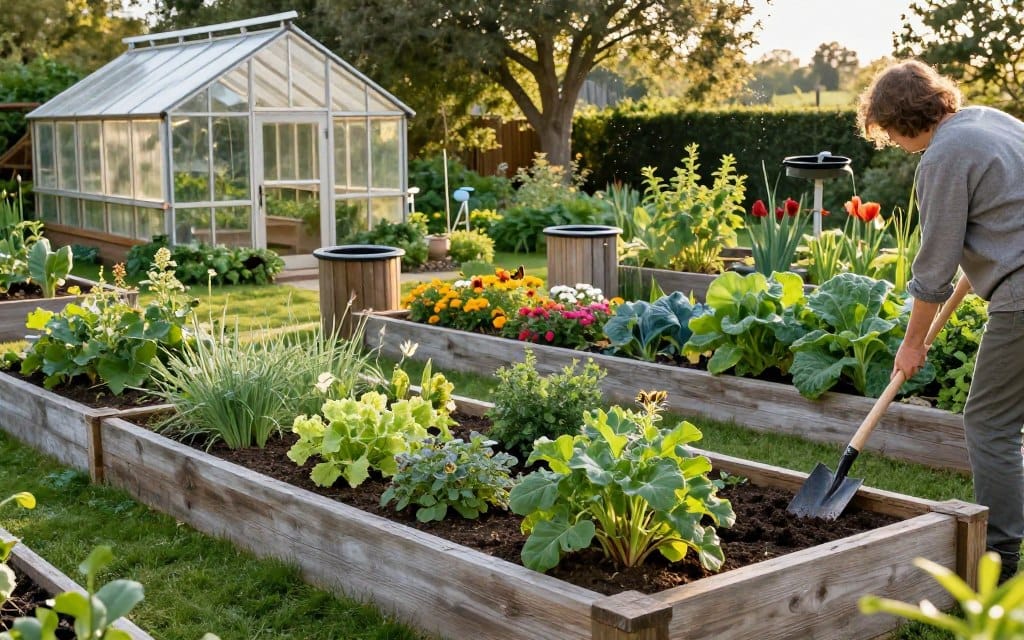
Incorporating eco-friendly practices into your garden can significantly reduce maintenance and resource use. One effective way to achieve this is by selecting native plants. These plants thrive in your local climate and require less water, making them ideal for a sustainable garden.
Water conservation is also essential. Consider using permeable gravel or mulch. These materials allow moisture to reach the soil while reducing overall irrigation needs.
By decreasing the amount of lawn and increasing climate-adapted shrubs, you create a beautiful, water-wise space. This not only enhances your garden’s aesthetics but also supports local pollinator populations.
Implementing these sustainable landscaping techniques saves money on utility bills and contributes to the long-term health of your local ecosystem. For more insights on water conservation in landscaping, check out water conservation tips.
Mastering “landscape design ideas” for a Cohesive Look
A thoughtfully curated outdoor environment can reflect your personal style while maintaining a cohesive look. Achieving this requires mastering various elements that tie together all aspects of your garden harmoniously.
Expert tips suggest that using a consistent material palette, such as repeating specific stone types, helps create a sense of rhythm throughout the space. A harmonious garden is one where the planting style, hardscape materials, and decorative features work together to express a single, focused vision.
By limiting the variety of colors and textures, you can prevent your design from feeling chaotic. Instead, you create a serene, unified outdoor environment. Achieving this level of cohesion requires careful planning and a willingness to edit your ideas until every part of the garden feels intentional.
Transforming Small Yards into Functional Garden Spaces
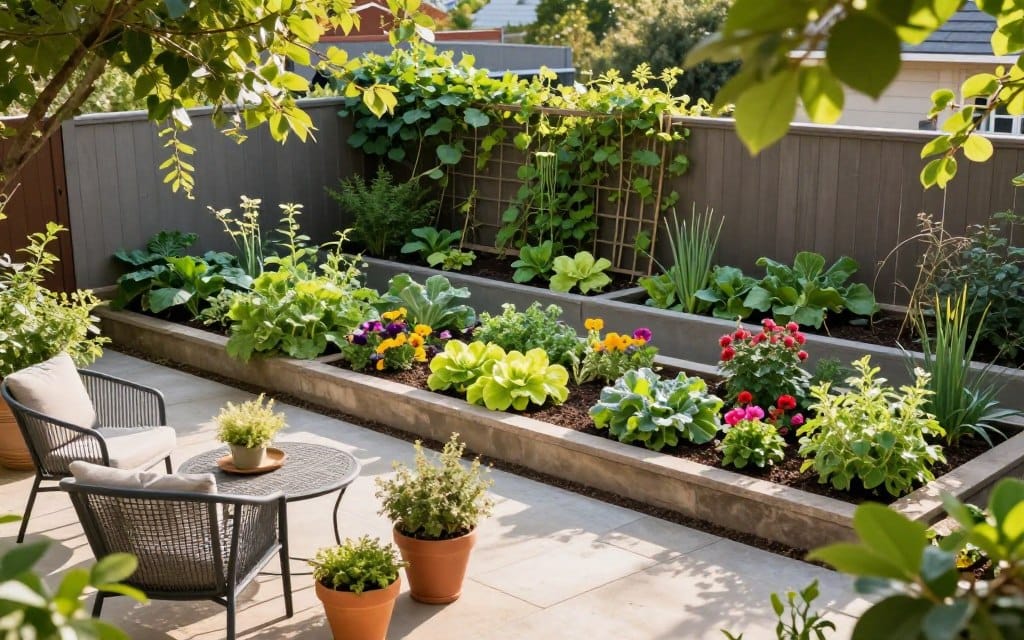
Small yards can be incredibly versatile, allowing for creativity and functionality. With clever space optimization techniques, you can transform these compact areas into inviting garden retreats. Consider vertical gardening or using multi-purpose furniture to maximize every inch.
Even the tiniest front yard can become a lush haven by focusing on high-impact plants and thoughtfully placed structural elements. A simplified approach to design ensures that each square foot serves a purpose, whether for beauty or practicality.
Utilizing light-colored materials and strategic lighting can create an illusion of spaciousness, making your compact yard feel larger and more open. Avoid overcrowding by selecting a few bold features that truly define the character of your space.
| Technique | Description | Benefits |
|---|---|---|
| Vertical Gardening | Growing plants upward using trellises | Maximizes limited ground space |
| Multi-Purpose Furniture | Furniture that serves more than one function | Increases usability of the area |
| High-Impact Plants | Choosing plants that make a strong visual statement | Enhances aesthetic appeal |
| Light-Colored Materials | Using light shades for surfaces and structures | Creates a sense of openness |
| Strategic Lighting | Placing lights to highlight features | Improves ambiance and safety |
Using Hardscaping to Define Structure and Flow
Defining clear pathways and areas with hardscaping can elevate the usability of your outdoor property. This technique is essential for guiding movement throughout your space.
Pathways made from natural stone or pavers create durable routes that connect different areas of your garden. They not only enhance navigation but also add visual interest to your outdoor environment.
Incorporating stone accents, such as boulders or decorative walls, provides necessary weight and contrast. These elements balance the softness of surrounding plant beds, creating a harmonious look.
Pavers are particularly effective for establishing stable surfaces for seating areas. This ensures your outdoor furniture remains steady and easy to use, enhancing comfort during gatherings.
By carefully selecting the texture and color of your hardscape materials, you can reinforce the overall style and mood of your entire outdoor environment.
Incorporating Water Features and Landscape Lighting
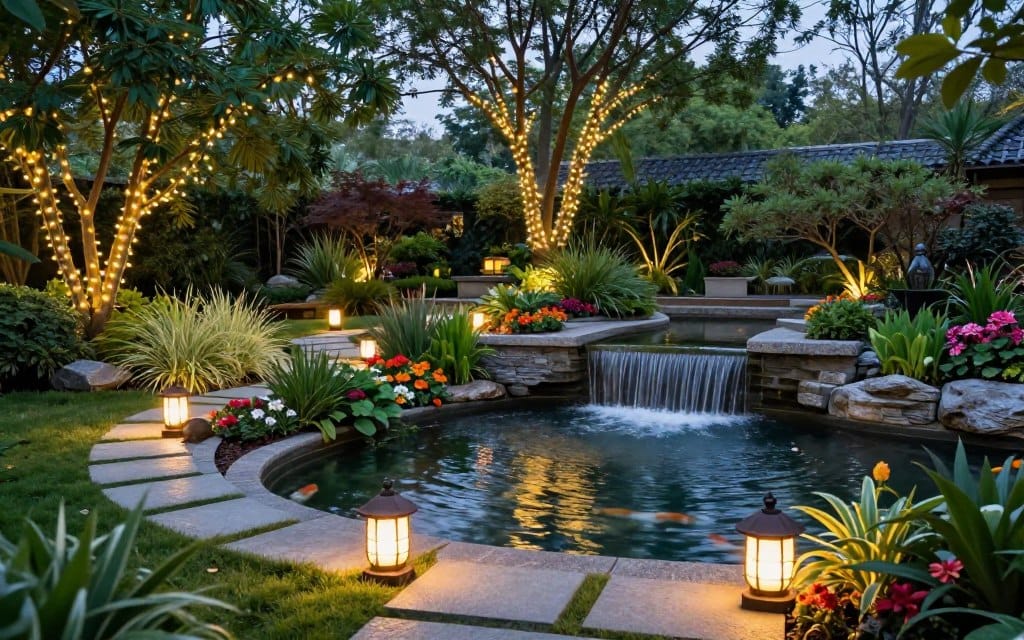
Water features can transform your outdoor space into a serene oasis, enhancing its overall appeal. The soothing sounds of flowing water create a calming environment that draws you outdoors. Whether it’s a simple fountain or a larger pond, these elements serve as focal points that enhance the overall aesthetic of your garden.
Effective landscape lighting is crucial for both safety and aesthetics. It allows you to highlight key features while extending the usability of your yard during the evening. Proper lighting design can transform your garden at night, using subtle illumination to create depth and drama in areas that would otherwise be dark.
By combining strategic water placement with well-planned landscape lighting, you can create a sophisticated environment that feels magical during the evening hours.
| Feature | Description | Benefits |
|---|---|---|
| Water Elements | Fountains, ponds, or streams | Adds tranquility and visual interest |
| Landscape Lighting | Illumination for paths and features | Enhances safety and aesthetics |
| Combined Design | Strategic placement of water and lighting | Creates a magical evening atmosphere |
Exploring Seasonal Colors and Plant Arrangements
A vibrant garden can be a canvas of colors that captivates the senses throughout the year. Exploring seasonal colors allows you to create a vibrant four-season garden that offers interest and beauty regardless of the weather.
Successful plant arrangements rely on a mix of perennials, shrubs, and flowers that bloom at different times. This ensures constant visual appeal, keeping your garden lively and engaging.
By using the principles of color theory, you can craft a balanced garden that feels harmonious as the seasons change. Incorporating plants with interesting foliage ensures that your garden maintains its structure and color even when the primary flowers are not in bloom.
Planning your arrangements with a focus on texture and height helps create a dynamic, layered look. This approach keeps your outdoor space feeling fresh and inviting throughout the year.
Mixing Edible, Ornamental, and Functional Plantings
The trend of blending edible plants with ornamental varieties is gaining popularity among homeowners. Over 50% of clients now request the inclusion of edible elements in their garden designs. This shift reflects a desire for beauty and productivity in outdoor spaces.
You can easily integrate fruit trees, herbs, and vegetables among your ornamental flowers. This combination creates a yard that is both stunning and functional. Functional plantings, such as hedges or groundcovers, serve a dual purpose. They provide structure while supporting the health of your edible crops.
Raised beds are a popular way to organize your edible plants. They make it easy to access and maintain while adding a stylish element to your yard. By thoughtfully combining these different types of plants, you can maximize the utility of your space without sacrificing the aesthetic appeal of your garden.
| Type of Planting | Description | Benefits |
|---|---|---|
| Edible Plants | Fruits, vegetables, and herbs | Provides food and beauty |
| Ornamental Plants | Flowers and decorative foliage | Enhances visual appeal |
| Functional Plantings | Hedges and groundcovers | Supports garden health and structure |
Leveraging Digital Tools and DIY Strategies for Landscape Planning
Utilizing modern technology can significantly enhance your approach to outdoor planning. Digital tools simplify the process of creating a professional-grade yard design. These applications allow you to visualize various landscape options before making any physical changes.
Many popular software tools, such as Home Outside and iScape, provide a virtual environment for experimenting with different elements. This feature is invaluable for anyone looking to explore new ideas without the commitment of actual installation.
Step-by-step DIY techniques further empower homeowners. They offer guidance and confidence, ensuring that projects remain organized and within budget. By combining these digital resources with traditional planning methods, you can achieve a high-quality result that reflects your unique vision.
| Tool | Description | Benefits |
|---|---|---|
| Home Outside | Virtual landscape design software | Easy visualization of designs |
| iScape | Augmented reality app for yard planning | Interactive design experience |
| SketchUp | 3D modeling tool for detailed designs | Precise and customizable layouts |
Conclusion
Crafting an exceptional outdoor area involves a mix of thoughtful planning and creativity. By applying the principles outlined in this guide, you can turn your yard into a beautiful and functional space that reflects your unique style.
Keep in mind that a successful garden is an evolving project. It will grow and adapt to your changing needs over the years. Whether you choose to focus on eco-friendly practices or blend modern and traditional aesthetics, maintaining a cohesive vision is essential.
We hope these concepts inspire you to take the next step in creating the outdoor sanctuary you’ve always dreamed of. For personalized assistance, feel free to reach out through our contact page.