15 Modern Landscape Design Ideas for Small Yards
Have you ever wondered how to transform your small yard into a stunning outdoor retreat? Exploring creative landscape design ideas can elevate your home’s appeal while maximizing the limited space you have. The right approach to landscape design helps make even the smallest yards feel more spacious, functional, and inviting. Homeowners often invest around 10% of their property’s value into professional landscaping projects, seeking a significant return on investment.
Creating a beautiful outdoor space requires a clear vision that respects the unique constraints of your property. Every small yard has untapped potential, waiting to be revealed through thoughtful planning. By applying professional principles, you can ensure that your outdoor environment remains a delightful extension of your home, regardless of the season.
In this article, we will explore innovative concepts that can enhance your yard. From practical layouts to aesthetic touches, these ideas will inspire you to rethink your outdoor living space.
Key Takeaways
- Investing in landscaping can significantly boost your home’s market value.
- Every small yard can be transformed into a functional outdoor retreat.
- A cohesive plan helps maintain a beautiful outdoor environment year-round.
- Evaluate your current yard layout to align with your lifestyle goals.
- Professional guidance can maximize the potential of your outdoor space.
Introduction to Modern Landscape Design
A well-planned outdoor space can elevate your home’s charm and functionality. Modern approaches focus on creating environments that are sustainable and tailored to your household’s needs. This is crucial, especially when dealing with limited areas.
By following a structured process, you can turn a neglected garden into a vibrant area that reflects your style. A successful project starts with assessing the existing conditions and understanding your desired outcomes.
Integrating contemporary elements helps maximize the utility of your outdoor area while ensuring a clean, sophisticated look. Professional designers often recommend creating a master plan, ensuring that each feature in your garden serves a specific purpose within your overall layout.
For more insights on how to effectively enhance your outdoor environment, consider seeking professional guidance.
Understanding Your Small Yard: Space, Needs, and Priorities
Transforming your small yard into a captivating outdoor space starts with understanding its unique features. Start by sketching your property, noting permanent elements like your house, shed, large trees, and existing patios. This initial step helps you visualize your area better.
Before beginning any construction, measure your yard dimensions and note the locations of windows, doors, water faucets, and electrical outlets. Identifying your top priorities for the backyard will guide your focus. Do you want a dining area, a play zone, or simply open space?
When assessing your front yard, consider how traffic patterns and existing trees influence the overall flow. Creating a detailed sketch allows you to see how different elements fit within your available square footage. Prioritizing your needs ensures that your limited space is utilized effectively, preventing overcrowding.
| Assessment Focus | Key Actions | Benefits |
|---|---|---|
| Yard Dimensions | Measure and sketch | Better visualization of space |
| Existing Features | Note permanent elements | Informed design decisions |
| Outdoor Priorities | Identify key areas | Effective use of space |
For more tips on enhancing your outdoor environment, check out this resource.
Gathering Inspiration and Defining Your Personal Style
Finding the right inspiration can breathe life into your small yard. Start by exploring various styles that resonate with you. Gardeners can choose from the wild look of a cottage garden to the clean lines of a Zen retreat. Each style offers unique elements that can enhance your outdoor space.
Defining your personal style is essential for creating a cohesive garden. It should feel like a natural extension of your personality. Whether you lean towards structured designs or prefer a relaxed atmosphere, inspiration is everywhere.
Researching different styles helps identify elements that align with your vision. Many homeowners discover that blending various garden styles creates a dynamic environment. This approach suits their specific lifestyle and needs.
Professional designers often suggest creating an inspiration board. This board can help organize your favorite concepts before you start planning.
| Garden Style | Key Features | Best Plants |
|---|---|---|
| Cottage Garden | Wild, colorful, and informal | Roses, daisies, and foxgloves |
| Zen Retreat | Minimalist, peaceful, and serene | Bamboo, succulents, and moss |
| Formal Garden | Structured, symmetrical, and neat | Boxwoods, tulips, and hydrangeas |
Essential landscape design ideas for Small Yards
Every small yard holds the potential for beauty and functionality with the right approach. Implementing essential landscape design requires a keen understanding of how to balance hardscape elements with soft, living plant materials. This balance is crucial for creating an inviting outdoor space.
Small yards benefit significantly from strategic planning. By maximizing every inch of available space, you can achieve both beauty and function. Professional designers emphasize that the most successful ideas prioritize simplicity and clear, intentional layouts.
Focusing on the core elements of your outdoor area can create a cohesive environment that feels much larger than it is. Successful projects often involve a combination of vertical gardening and smart furniture choices, enhancing the overall utility of the yard.
| Design Element | Purpose | Benefits |
|---|---|---|
| Vertical Gardening | Maximize space | Utilizes walls and fences for greenery |
| Smart Furniture | Enhance functionality | Provides comfort without overcrowding |
| Clear Layouts | Simplify navigation | Creates an open feel in tight spaces |
For more inspiration on optimizing your outdoor area, check out this resource.
Designing Functional Outdoor Zones
Maximizing the potential of your backyard involves thoughtful planning and creative use of space. Creating distinct outdoor zones allows you to enhance the functionality of your area by providing dedicated spots for dining, relaxation, and play.
Outdoor rugs are a great way to establish these different areas. They can clearly mark a grill zone from a seating area or outdoor living room without the need for permanent walls. This approach keeps the space open and inviting.
Multi-use spaces are essential in small yards. Often, a single area needs to serve as both a dining spot and a lounge. Professional designers recommend ensuring a seamless flow between these zones, making your outdoor living space feel unified and spacious.
By carefully planning your outdoor zones, you can create an environment where every family member has a place to enjoy the garden.
| Outdoor Zone | Purpose | Key Features |
|---|---|---|
| Dining Area | Meals and gatherings | Table, chairs, outdoor rug |
| Relaxation Zone | Rest and leisure | Seating, cushions, shade |
| Play Area | Activities for kids | Open space, toys, safety features |
Maximizing Space with Smart Layouts and Vertical Gardening
Unlocking the potential of your compact outdoor area can lead to a vibrant and cozy environment. Incorporating vertical gardening is an effective way to expand your usable area when ground space is limited. This approach allows you to grow plants upwards, creating lush greenery without sacrificing precious floor space.
Growing plants up a trellis or vine not only adds beauty but also helps create a sense of enclosure. This makes your small outdoor area feel more private and intimate. Professional designers recommend using wall-mounted planters or hanging baskets to draw the eye upward, enhancing the overall visual appeal.
By thinking in three dimensions, you can significantly increase the variety of plants your small yard can support throughout the year. This strategy not only beautifies your garden but also optimizes the available space.
| Vertical Gardening Technique | Benefits | Recommended Plants |
|---|---|---|
| Trellis | Maximizes vertical space | Tomatoes, cucumbers |
| Wall-mounted Planters | Enhances visual interest | Herbs, flowers |
| Hanging Baskets | Creates a cozy atmosphere | Ferns, petunias |
Integrating Indoor and Outdoor Living
Creating a harmonious flow between your indoor and outdoor spaces can significantly enhance your living experience. This seamless transition allows your home to feel larger and more inviting, blurring the lines between the inside and outside.
Installing French doors or large windows is an effective way to visually connect your interior rooms with the beauty of your outdoor garden. This not only enhances the aesthetic appeal but also invites natural light into your home.
Another professional technique is to extend your interior flooring material onto an outdoor patio. This creates a cohesive look that ties your living area together.
Additionally, placing container plants near the entrance to your yard softens the transition, inviting nature closer to your home. A well-integrated indoor-outdoor space encourages more frequent use of your garden, making it a vital part of your living experience.
Innovative Hardscape and Lighting Design
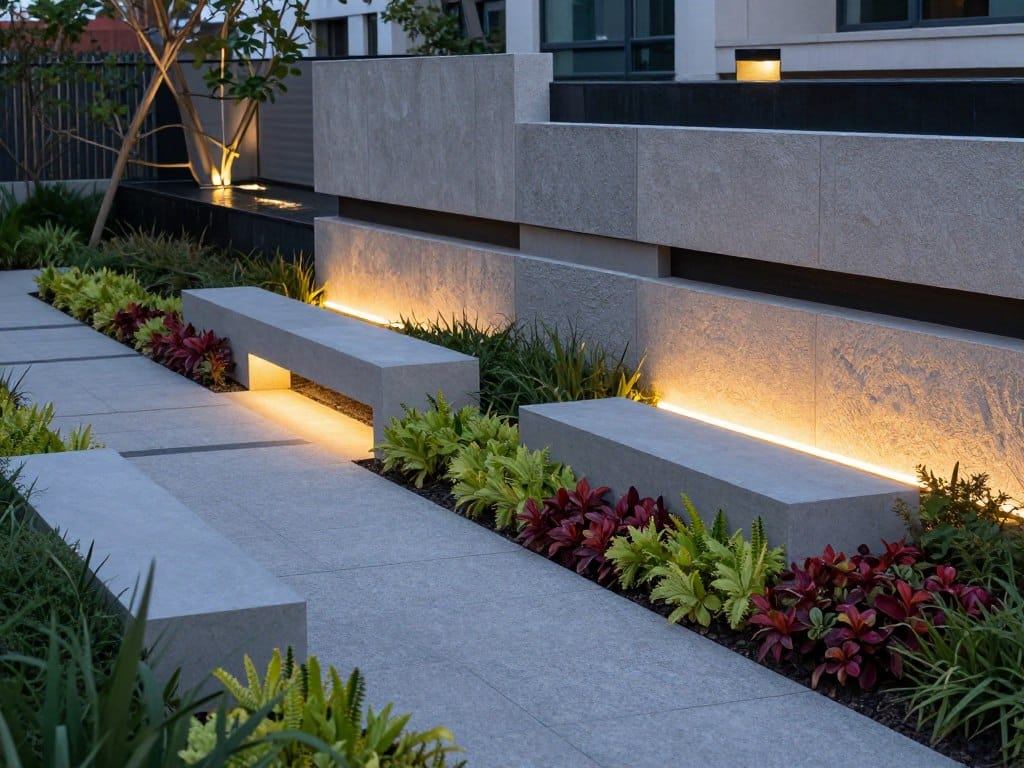
Utilizing modern materials and strategic lighting can elevate the appeal of your outdoor area. The right hardscape choices not only enhance functionality but also contribute to a chic and contemporary look.
For instance, extending a concrete patio with pea gravel can create a stylish appearance without breaking the bank. Innovative hardscape materials like concrete pavers or pea gravel can define your garden while providing a clean, modern aesthetic.
Moreover, effective lighting plays a crucial role in enhancing both safety and aesthetics after dark. Professional designers often use lighting to highlight specimen trees or architectural features, creating a dramatic atmosphere in your small garden.
Choosing durable materials ensures that your design remains beautiful and functional for years to come. Mixing and matching different hardscape materials is also a great way to add visual interest and texture to your outdoor living area.
| Hardscape Material | Key Features | Benefits |
|---|---|---|
| Concrete Pavers | Versatile and durable | Easy to maintain, modern look |
| Pea Gravel | Natural and affordable | Great drainage, soft appearance |
| Brick | Classic and sturdy | Adds warmth and character |
Creating Water Features and Rock Gardens for Visual Impact
Incorporating elements like water and rock can significantly enhance the visual appeal of your outdoor space. Adding a water feature brings movement and sound, creating a peaceful atmosphere in your small garden. The gentle trickle of water can transform your yard into a tranquil retreat.
A well-designed rock garden serves as a low-maintenance solution that provides striking visuals, especially in drought-prone areas. These gardens can complement modern home aesthetics while requiring minimal effort to maintain their beauty.
Using AquaPots can simplify plant care by providing self-watering capabilities. This allows you to enjoy lush greenery without the hassle of constant watering. Professional designers often recommend water features as focal points to draw the eye and establish harmony in your garden.
Rock gardens offer a unique aesthetic that can enhance the overall look of your outdoor space. They require little upkeep while still delivering a stunning visual impact.
Selecting Plants and Sustainable Garden Beds
Thoughtful plant choices can transform your garden beds into vibrant, sustainable spaces. Selecting the right plants for your specific USDA Zone is crucial for ensuring your garden beds thrive long-term. This consideration ensures that your plants are well-suited to the local climate and soil conditions.
Embracing sustainable planting strategies, such as using native species, helps conserve water and supports local pollinators in your home garden. This approach not only benefits the environment but also enhances the beauty of your outdoor space.
EZ Scapes are a fantastic option for grouping perennials together. These combinations of three or four plants that grow well together create easy, elegant landscapes for your garden beds. This method ensures that your garden looks professional and well-coordinated throughout the seasons.
Low-maintenance gardening allows you to spend more time enjoying your outdoor space rather than constantly working on your garden beds. Professional designers recommend focusing on plant health and soil quality to create a sustainable foundation for your entire landscape.
| Planting Strategy | Description | Benefits |
|---|---|---|
| Native Species | Plants that naturally grow in your area | Conserves water and supports pollinators |
| EZ Scapes | Groupings of compatible perennials | Creates elegant, low-maintenance landscapes |
| Soil Quality Focus | Emphasizing healthy soil | Promotes strong plant growth and resilience |
Variety in Garden Styles: From Zen to Contemporary
Diving into various garden styles can help you discover the perfect look for your outdoor space. From the tranquil simplicity of Zen gardens to the sleek lines of contemporary designs, each style offers something unique.
Zen gardens focus on creating peaceful retreats. They often use rocks and sand to mimic natural landscapes, providing a serene environment for quiet contemplation. This minimalist approach fosters a deep sense of calm.
On the other hand, contemporary gardens feature bold plant choices and clean lines. This style creates a sophisticated look that complements modern architectural homes. Many gardeners enjoy mixing elements from different styles, leading to more personalized and interesting outdoor spaces.
Professional designers emphasize that the best gardens reflect the personal taste and lifestyle of their users. By exploring various styles, you can create an outdoor area that feels uniquely yours.
Using Color, Texture, and Accents to Enhance Beauty
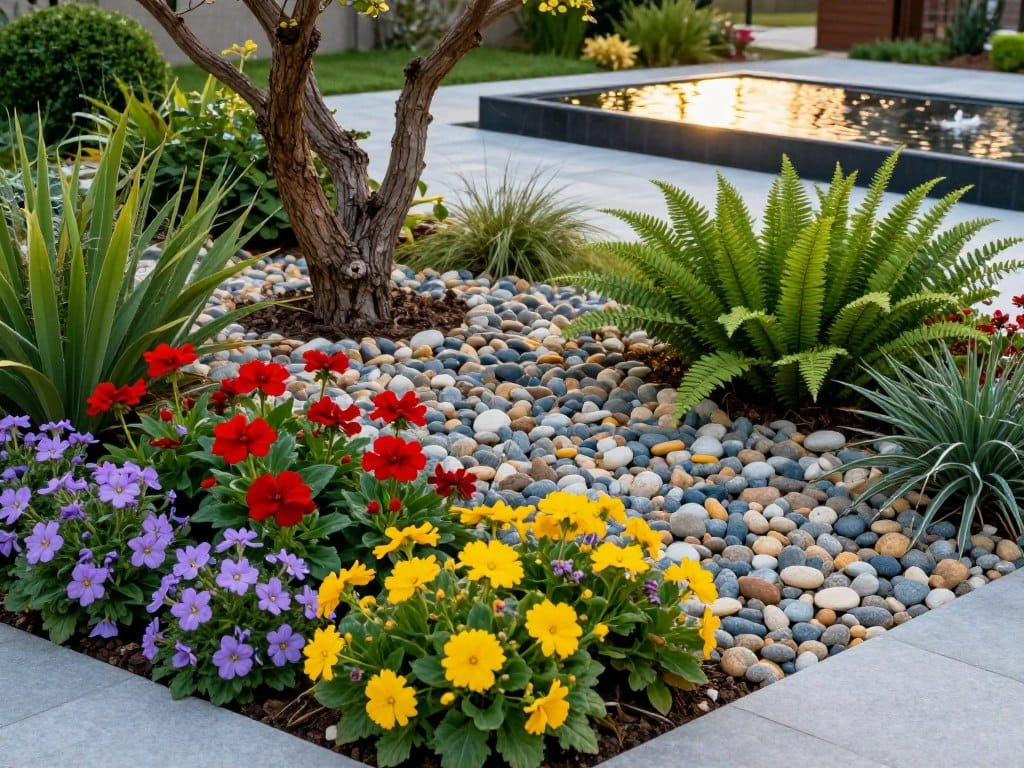
To create a stunning outdoor area, focus on the interplay of color and texture in your design. Using the principles of color theory helps you craft a balanced, harmonious environment that feels visually appealing and professionally designed.
Bold color choices can create a stunning visual impact, even in a very small outdoor space. For instance, bright flowers or vibrant outdoor furniture can draw the eye and elevate the overall look.
Textural layers are equally important. Combining plants with different foliage shapes adds depth and beauty to your garden throughout the year. This variety keeps your outdoor space interesting, regardless of the season.
Professional designers often use color to create focal points. A bright water feature or colorful cushions on patio furniture can serve as eye-catching elements. Additionally, incorporating accents like decorative pots or garden art enhances the overall beauty of your space without taking up much room.
A well-planned color scheme ensures that your garden feels cohesive and intentional, rather than just a collection of random plants. By thoughtfully selecting colors and textures, you can create an inviting atmosphere that reflects your personal style.
| Element | Purpose | Examples |
|---|---|---|
| Color Choices | Create visual impact | Bright flowers, cushions |
| Textural Layers | Add depth and interest | Varied foliage shapes |
| Accents | Enhance beauty | Decorative pots, art |
For more insights on enhancing your outdoor living space, consider exploring this resource.
Privacy Planning and Creating Enclosed Spaces
In small yards, effective privacy planning transforms your garden into a personal retreat. Privacy is essential when neighbors are close, ensuring your outdoor space feels like a secluded sanctuary. One excellent choice for small areas is planting arborvitae hedges. These trees create a beautiful natural wall that offers both privacy and structure.
Consider the following strategies for enhancing privacy in your garden:
- Plant a row of arborvitae trees for a living wall that provides excellent privacy.
- Use pergolas or tall shrubs to create a sense of enclosure.
- Strategically place garden structures to block unwanted views while allowing light and air.
Professional designers emphasize that privacy is key to wellness. A well-planned garden allows you to relax fully in your backyard. Thoughtful placement of trees and hedges can effectively shield your space while maintaining an open feel.
| Privacy Solution | Description | Benefits |
|---|---|---|
| Arborvitae Hedges | Dense, evergreen trees | Excellent privacy and aesthetic appeal |
| Pergolas | Structures for climbing plants | Adds vertical interest and shade |
| Tall Shrubs | Natural barriers | Block views while allowing airflow |
Digital Tools and Expert Advice for DIY Landscape Planning
Harnessing technology can simplify the process of planning your outdoor space. Homeowners today have access to various digital tools that make it easier to visualize their landscape projects. Software programs like Home Outside, iScape, SketchUp, SmartDraw, and myGarden Planner empower DIYers to design their own outdoor areas effectively.
Using these applications allows you to experiment with different layouts without the risk of costly mistakes. Professional landscape services can range from $2000 to $8000, offering detailed plans that enhance your property’s value. However, mobile apps also provide expert advice and inspiration, helping you make informed decisions about your home garden.
Whether you are tackling a small yard or a larger project, leveraging these digital resources can lead to successful outcomes. With the right tools and guidance, transforming your outdoor space into a personal retreat becomes an achievable goal.
For more assistance, consider reaching out to professionals for expert advice at this link.
Future Trends and Planning for the Modern Landscape
As we look ahead, the future of our outdoor spaces is becoming increasingly important. Trends for 2026 emphasize sustainability and biodiversity. This means creating gardens that nurture local ecosystems while remaining visually appealing.
When planning your landscape, consider how your garden will evolve over time. Families grow and change, and your outdoor space should adapt accordingly. Emerging trends highlight the importance of environmentally responsible practices.
Investing in high-quality, long-lasting features is essential. These elements will provide value for many years to come. Additionally, considering the long-term growth of trees and shrubs is crucial in modern planning.
By staying informed about future trends, you can ensure that your garden remains relevant and enjoyable. Here’s a summary of key points to keep in mind:
| Planning Aspect | Considerations | Benefits |
|---|---|---|
| Future Needs | Anticipate family changes | Adaptable outdoor space |
| Sustainability | Focus on eco-friendly practices | Supports local ecosystems |
| Quality Features | Invest in durable materials | Long-term value |
Conclusion
Creating a vibrant outdoor space can greatly enhance the enjoyment of your home. Designing a beautiful project for your small yard is rewarding and can elevate your lifestyle. By following the professional tips and strategies outlined in this guide, you can transform any small yard into a functional outdoor retreat.
Remember, every garden is unique. The best results come from careful planning, thoughtful plant selection, and a clear personal vision. Whether you are adding a new rock garden or refreshing existing garden beds, every small change contributes to your overall success.
We hope these concepts inspire you to take the next step in creating the outdoor sanctuary you have always dreamed of having.