Commercial Landscape Design Trends for Modern Offices
An inviting outdoor landscape can lift an office property’s curb appeal and shape how customers, employees, and visitors perceive your brand. Thoughtful commercial landscape design does more than beautify grounds — it creates functional outdoor spaces that support workplace wellbeing, customer experience, and your company values.
Investing in professional landscape design turns ordinary property into a strategic asset: well-placed seating, purposeful plantings, and durable materials create areas where people want to stay and interact. Research shows that access to well-designed green space can improve employee satisfaction and increase customer dwell time, so design choices deliver both aesthetic and business benefits.
Focus on the elements that matter — plant selection, smart irrigation, accessible pathways, and lighting — and you’ll make your office landscape a visible extension of your brand. Explore landscape design services to see how trends for modern offices can be applied to your property.
Key Takeaways
- Commercial landscape strengthens brand identity and property value.
- Modern office landscapes balance aesthetics and functionality for employees and customers.
- Water-wise irrigation and native plants reduce maintenance and support sustainability.
- Lighting, seating, and focal features extend usability and improve the visitor experience.
- Prioritize elements that reflect your company values and require reasonable attention and upkeep.
Why Commercial Landscape Design Matters for Offices
Well-planned landscape design can noticeably increase the curb appeal and functionality of commercial properties, making them more attractive to clients and more comfortable for employees. For modern offices, outdoor spaces function as extensions of the workplace—places for short breaks, informal meetings, and client receptions that support productivity and brand perception.
Landscaping goes beyond planting: it includes site planning, hardscape installation, irrigation, lighting, and ongoing maintenance. Unlike residential projects, these designs must meet higher durability, accessibility, and public-safety standards while serving a broad range of daily users. Investing in professional landscape design helps companies deliver consistently inviting outdoor areas that stand up to heavy use.
Research and case studies show that access to quality green space can boost employee wellbeing and creativity—one tech campus courtyard, for example, increased informal collaboration simply by adding shade seating and native plantings. To explore practical applications for your office, view our landscape design services and office portfolio.
Fundamentals of Commercial Landscape Design
The right landscape elements turn an office exterior into a purposeful extension of your brand. Effective commercial landscape design improves curb appeal while delivering clear functionality—durable surfaces, shaded seating, and plantings chosen for climate and maintenance needs.
Key Design Elements for Success
Start every project by prioritizing function: map circulation, identify high-traffic zones, and locate utilities. Then layer in design choices that reinforce your brand and long-term performance. Examples of durable, low-maintenance options for offices include permeable pavers for pathways, native shrubs for year-round structure, and modular seating that can be reconfigured for events.
Balancing Aesthetics with Functionality
Practical design prevents common problems—undefined routes invite shortcuts that damage turf, while poorly placed plantings can obstruct sightlines or maintenance access. Define clear pathways with materials suited to expected foot traffic, add edging to protect planting beds, and choose plants that tolerate compaction where necessary.
For plant selection, favor native or region-adapted species to reduce irrigation and maintenance while supporting local biodiversity. For material choices, weigh upfront cost against lifecycle maintenance—some hardscape materials require less frequent repair and lower long-term attention. For more detailed guidance, see how to design outdoor living spaces.
Analyzing Site and User Needs
A professional site analysis is the first step in any successful commercial landscape design. Your project team should evaluate measurable conditions—topography and slope percentages, soil type and pH, drainage patterns, existing vegetation, microclimates (sun/shade, wind corridors), and underground utilities—so design decisions match site reality.
Consider this short checklist the team should cover on day one: soil pH and compaction tests; percentage of slope for runoff calculations; existing tree health and root zones; solar exposure by hour; and locations of stormwater inlets and irrigation points. Early analysis identifies issues like poor drainage or wind exposure that, if unaddressed, increase long-term maintenance costs.
Understanding user needs is equally important. Map typical circulation and peak-use routes, then design pathways to support that flow—well-defined, durable pathways prevent shortcuts that damage lawn and plantings. Assess visitor and employee sightlines, desired seating areas, and safety requirements so the landscape serves people efficiently.
Designing for function, safety, and sustainability goes hand in hand with site analysis. Ensure accessible ramps and ADA-compliant routes, specify pathway lighting to meet recommended illuminance for pedestrian safety (consult local codes for lux or foot-candle targets), and choose materials that balance durability and upkeep—permeable pavers for stormwater management, broom-finish concrete for traction, or unit pavers for easy repairs.
Sustainability also means smarter water use: plan for efficient irrigation zones, native or region-adapted plantings, and soil amendments that improve infiltration. These choices reduce irrigation needs and chemical inputs over time, lowering operating costs and supporting environmental goals.
Finally, partner with reputable suppliers and contractors who understand commercial landscaping demands—materials specialists like Minick Materials are commonly used for specified hardscapes, but always verify availability, lead times, and warranties. A collaborative team will turn site analysis into a conceptual design that aligns with your budget, maintenance capacity, and local regulations.
Designing for Function, Safety, and Sustainability
Crafting a functional and safe outdoor area is essential for any thriving business. A well-planned space not only enhances the visual appeal but also ensures that it meets the needs of employees and visitors alike. Incorporating safety features is crucial in commercial landscaping.
Today, safety features such as well-lit pathways and accessible ramps are essential for ensuring that all employees and visitors can navigate the space. Clear walkways and the removal of overgrown vegetation prevent hazards, creating a welcoming environment.
Additionally, sustainable practices are becoming a priority. Designers are now incorporating native plants and efficient irrigation systems to reduce the environmental impact of the property. This approach helps maintain the health of outdoor areas while minimizing long-term costs associated with water and chemical usage.
By integrating these functional elements, you create a secure environment that protects both the property and the people who use it. For more insights on sustainable practices in landscaping, visit this link.
Selecting the Right Materials and Lighting
Selecting the right materials and lighting can significantly enhance the functionality and beauty of your outdoor space. Durable hardscape elements, such as those from Minick Materials, ensure that patios and walkways withstand the test of time. These materials not only provide safety but also maintain the aesthetic appeal of your property.
Lighting plays a crucial role in creating an inviting atmosphere. Targeted lighting is essential for extending the use of your outdoor area after dark. It highlights beautiful trees and flowers while improving safety for all visitors. Ambient lighting further enhances the space, making it comfortable for gatherings.
Choosing the right plants and seating arrangements complements your hardscape and lighting choices. This thoughtful integration can create a seamless flow throughout your outdoor area. A well-lit property becomes more inviting and secure, making it a preferred destination for customers and employees alike.
Integrating Water-Wise Landscaping Strategies
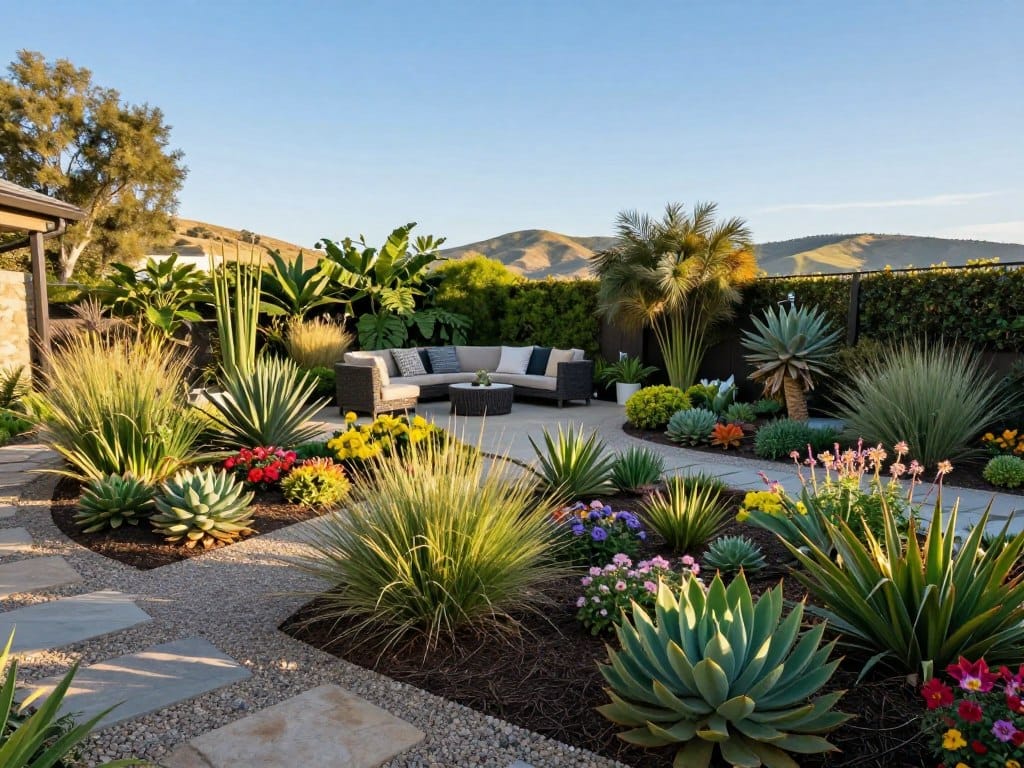
Water-conscious design is now a cornerstone of commercial landscape work. Incorporating efficient irrigation, drought-tolerant plants, and strategic planting reduces water use, lowers operating costs, and supports healthy outdoor spaces that perform well year-round.
Smart irrigation systems (like weather- or sensor-based controllers) match watering to current conditions, cutting waste and utility bills. Combined with thoughtful zoning—grouping plants with similar water needs—these systems give property managers precise control over landscape water consumption.
Efficient Irrigation and Water Conservation
| StrategyDescriptionBenefits | ||
| Smart Irrigation | Uses sensors and weather data to adjust watering schedules automatically. | Reduces water waste, lowers utility bills, and improves plant health. |
| Drought-Tolerant Plants | Prioritize native or region-adapted species (e.g., Mediterranean sages, ornamental grasses, manzanita in dry climates). | Minimizes irrigation and maintenance while supporting local biodiversity. |
| Strategic Plant Placement | Group plants by water needs and place water-loving species near irrigation zones; use berms and swales to maximize infiltration. | Improves soil moisture management and reduces erosion. |
| Estimated ROI & Maintenance | Smart irrigation and drought plantings typically recoup installation costs over several seasons through lower water bills and reduced labor. | Lower long-term maintenance and predictable operating costs. |
Work with design teams experienced in regional planting palettes to select plants that suit your climate and maintenance budget. For example, offices in arid regions benefit from succulents, native grasses, and trees with low transpiration rates, while temperate climates can emphasize seasonal perennials and understory shrubs.
When mentioning vendors or case partners, present them as examples or partners rather than endorsements; many firms use proven irrigation brands and local suppliers for materials and equipment. If you consider a vendor like Rain Bird or a local design consultant, confirm product specs, warranties, and integration with your planned irrigation zones.
Enhancing Outdoor Spaces with Unique Features
Distinctive features help office landscapes stand out and support your brand message. A bold focal tree, sculptural planter, or a seasonal display of colorful flowers can create a memorable first impression. Tie these elements to your company values—choose plant colors or materials that complement brand colors or sustainable sourcing policies.
Seating areas are especially valuable in modern office landscapes: modular benches, shaded nooks, and movable seating encourage employees and clients to linger, boosting informal interactions and customer experience. Design seating around focal points (a specimen tree or water-wise planting bed) to increase usability and create inviting micro-areas.
Every project should include at least one memorable element that reinforces the landscape’s purpose and identity. When specifying features, balance aesthetics with durability—select materials that require reasonable maintenance and withstand commercial use.
| Feature TypeDescriptionBenefits | ||
| Focal Points | Specimen trees or architectural planting beds that draw the eye. | Attracts attention, strengthens brand identity, and organizes space. |
| Seating Areas | Comfortable, durable seating with shade and flexible layouts. | Encourages longer visits, supports informal meetings, and improves employee wellbeing. |
| Memorable Elements | Artful plant combinations, textured materials, or a small water-wise feature. | Transforms ordinary areas into inviting, on-brand experiences. |
Practical Steps for a Successful Commercial Landscape Design
Turn your landscape vision into a reliable asset by following a simple, staged process. Start with concept development: assemble your project team, confirm the project goals, set a realistic budget, and document site constraints discovered during analysis. Early alignment on objectives keeps the design on track and aligned with your company priorities.
Use this quick project checklist as a planning backbone:
- Concept: stakeholder goals, preliminary budget, and high-level site plan.
- Design: schematic plans, plant palette selection, materials list, lighting and irrigation schematics.
- Permitting & approvals: local codes, ADA accessibility review, and any utility permits.
- Construction documents: detailed specs for materials, installation sequencing, and warranties.
- Installation: phased construction, on-site supervision by the team, and quality inspections.
- Handover & maintenance plan: owner training, as-built drawings, and ongoing service schedule.
When selecting a company and team, review portfolios, ask for project references, and confirm insurance and warranty terms. A reputable firm will itemize materials, labor, and projected timelines so customers can compare bids transparently.
Material choices affect both upfront cost and long-term attention: durable materials (unit pavers, permeable surfaces, powder-coated metal benches) reduce repair frequency, while high-maintenance softscape choices increase recurring costs. Ensure the project budget includes a realistic allowance for materials, installation, and an initial maintenance period.
Maintenance Tips for Long-Lasting Outdoor Spaces
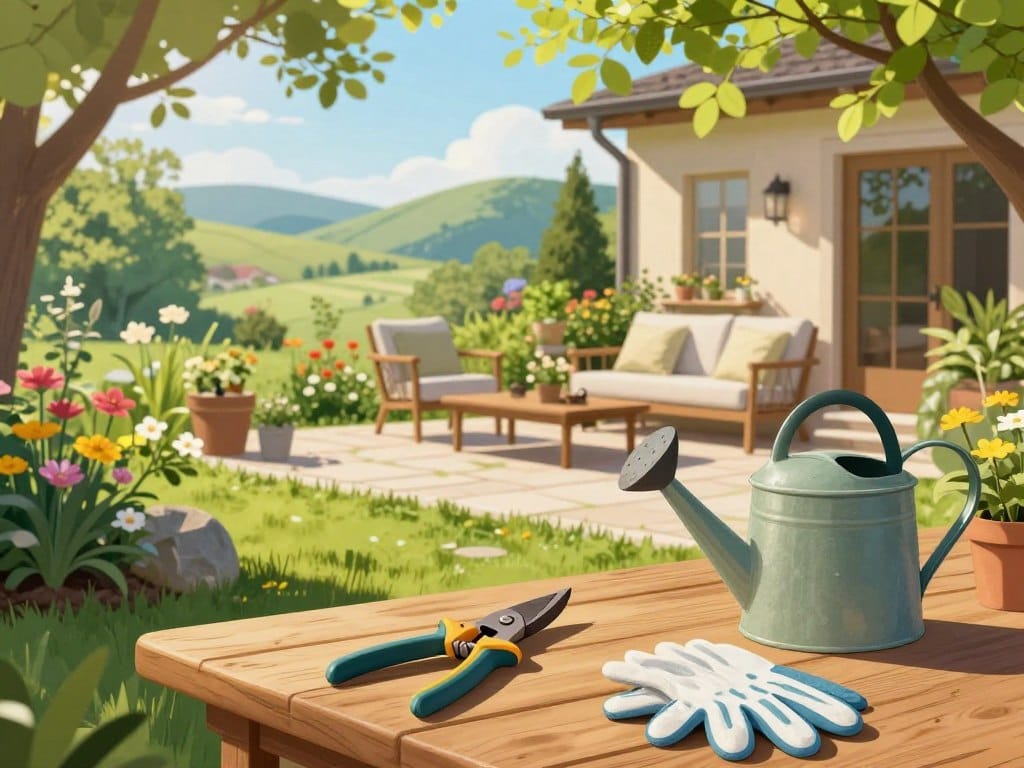
Consistent maintenance preserves design intent and protects the value of your landscape investment. Create a seasonal maintenance schedule tailored to your climate and plant selections; where uncertain, ask your landscape services provider to recommend frequency adjustments based on observed performance.
Typical maintenance guidance (adjust for local conditions):
| Maintenance TaskDescriptionFrequency | ||
| Lawn Care | Mowing at recommended height, fertilizing per soil test, and aerating to relieve compaction. | Weekly to monthly (growing season) |
| Tree Pruning | Remove deadwood, clear sightlines, and prune for structure and safety. | Seasonally (or per arborist recommendation) |
| Pathway Cleaning | Clear debris, check for trip hazards, and remove surface stains. | Monthly (more often in high-traffic areas) |
Additional tips:
- Establish an irrigation monitoring routine—catch broken heads or misaligned nozzles quickly to avoid plant stress and wasted water.
- Keep a planting rotation plan: replace declining specimens with lower-maintenance alternatives to control long-term costs.
- Schedule periodic walk-throughs with your landscape team to review performance, identify emerging issues, and update the maintenance plan.
Want a tailored maintenance estimate? Request a site audit from our services team to receive a maintenance schedule and cost projection that matches your property’s needs and budget.
Trends Shaping Commercial Landscaping Today
Today’s commercial landscape trendlines reflect how offices blend nature and functionality to support employee wellbeing, reinforce brand values, and reduce operating costs. Understanding these trends helps you plan landscapes that are both attractive and practical for modern office areas.
Biophilic Design and Xeriscaping in Office Settings
Biophilic landscape approaches bring nature closer to people—examples for offices include green walls at lobby entries, planted courtyards for informal meetings, and tree-lined walkways that create restful sightlines from workspaces. These features improve employee experience and can strengthen a company’s brand message about health and sustainability.
Xeriscaping adapts landscapes to low-water conditions by using drought-tolerant plants and efficient mulching. In parking buffers and strips, xeriscaping with native grasses, ornamental sages, or low-transpiration trees reduces irrigation needs while maintaining a neat, professional appearance.
Smart Technologies and Materials for Better Performance
Smart irrigation and sensor-driven controllers are now standard tools in commercial landscape management; they adjust watering to current weather and soil moisture, improving plant health and cutting water costs. Pair these systems with durable materials—permeable pavers, recycled-content benches, and low-maintenance planting palettes—to lower lifecycle maintenance and extend the usable life of the landscape.
| TrendOffice ApplicationBenefits | ||
| Biophilic Design | Green walls, courtyard plantings, visual connections to nature. | Boosts wellbeing, supports brand values, enhances aesthetics. |
| Xeriscaping | Drought-tolerant borders, parking buffer plantings. | Reduces water use and maintenance costs. |
| Smart Irrigation | Weather-based controllers and soil sensors across zones. | Optimizes water usage, improves plant longevity. |
Choosing the Right Commercial Landscaping Service
Selecting the right company is essential to translate trends into durable, on-brand landscapes. Evaluate firms based on portfolio relevance, documented experience with office projects, and clear communication about warranties and maintenance responsibilities.
Use this vendor-evaluation checklist when vetting teams:
- Licenses & insurance: confirm coverage for commercial projects.
- Portfolio & references: check project similarity to your property and contact past clients.
- Detailed proposal: materials, irrigation specs, and installation timelines.
- Maintenance offering: service levels, frequencies, and pricing transparency.
- Warranties & guarantees: product and workmanship protection.
Clear, itemized proposals make it easier to compare companies and choose the partner that aligns with your budget and values. Ask potential teams how they would integrate biophilic elements, xeriscaping, and smart irrigation into your existing areas.
Budgeting and Project Management for Office Landscapes
Budgeting for a commercial landscape project requires balancing upfront costs with long-term maintenance. A common allocation guideline is: design (8–12%), hardscape and materials (40–55%), planting and irrigation (20–30%), and contingency/permits (5–10%). Adjust these percentages based on project scope and local costs.
Project management best practices include phased construction to minimize disruption, a single point of contact on the contractor team, and scheduled progress reviews. Prioritize water-efficiency measures early in the design to reduce operational expenses—investments in smart irrigation and native plants often show payback through lower water bills and reduced maintenance within a few seasons.
Ready to evaluate options for your office? Request a tailored project estimate or download our checklist for choosing the right commercial landscaping team to get a clearer sense of costs and timelines.
Conclusion & Next Steps for Modern Offices
Investing in professional commercial landscape design enhances property value and reinforces your brand through purposeful outdoor spaces that improve employee wellbeing and customer experience. Prioritizing functional layout, water-wise strategies, and durable materials helps ensure your property remains an asset rather than an ongoing expense.
Quick recap — top trends to consider for your office landscape:
- Biophilic elements (green walls, courtyards) to boost wellbeing and brand values.
- Xeriscaping and native plants to reduce water use and maintenance.
- Smart irrigation and durable materials to cut operating costs and extend lifespan.
Next steps: request a site audit, download our checklist for choosing the right commercial landscaping company, or contact our team to get a tailored project estimate and maintenance plan. Small investments today—thoughtful plant choices, proper irrigation, and defined pathways—deliver measurable returns in customer satisfaction and long-term appeal.
If you’re exploring cozy gathering features like a fire pit, review local codes and safety regulations before installation; for inspiration, see low-cost fire pit ideas.