To learn how to amend clay soil for better drainage, add organic matter, avoid wet work, and adjust irrigation.
Many gardeners face dense ground that traps moisture and nutrients, often suffocating plant roots.
Its high cation exchange capacity holds minerals well, but tight soil blocks oxygen. Adding compost or aged bark creates air pockets, helping water move freely through the soil profile.
| Feature | Details |
|---|---|
| Problem | Poor aeration and waterlogging. |
| Best Amendments | Compost, gypsum, and organic mulch. |
| Essential Caution | Never till when saturated. |
| Timeline | Several seasons of consistent care. |
| Plant Choices | Native perennials and deep-rooted shrubs. |
Key Takeaways
- Incorporate organic matter like compost to break up dense particles.
- Avoid tilling or digging when the ground is saturated to prevent compaction.
- Use gypsum to help loosen heavy earth without changing the pH level.
- Apply a thick layer of mulch to protect the surface from crusting.
- Select plants that thrive in moisture-retentive environments while you improve the site.
Understanding Clay Soil Characteristics
Effective clay soil improvement starts with understanding how its tiny particles behave. Clay contains tiny, plate-like particles stacked like sheets of paper. This structure leaves little space for air or water to move through the ground.
What Makes Clay Soil Unique?
These fine particles pack tightly when wet or dry. Their density creates heavy soil that resists root growth. The soil stays stable but gives plant roots less oxygen.
Common Issues with Clay Soil
Gardeners face several challenges when working with heavy clay. Common problems include slow water infiltration, surface crusting, and deep cracks during dry spells. These conditions reduce aeration and can suffocate sensitive plant roots.
Clay also has a high cation exchange capacity, so it holds salts and minerals tightly. This benefit can cause salt buildup that harms delicate seedlings. Regular clay soil improvement helps reduce compaction and poor drainage.
Benefits of Well-Drained Soil
Despite these challenges, clay can benefit your garden. It retains nutrients and conserves water during hot summers. It also provides a firm anchor for large plants and protects root systems from freeze-thaw stress.
| Feature | Clay Soil | Ideal Garden Soil |
|---|---|---|
| Particle Size | Microscopic | Varied/Balanced |
| Drainage Speed | Very Slow | Moderate |
| Nutrient Holding | High | Moderate to High |
| Aeration Level | Low | High |
Signs of Poor Drainage in Your Garden
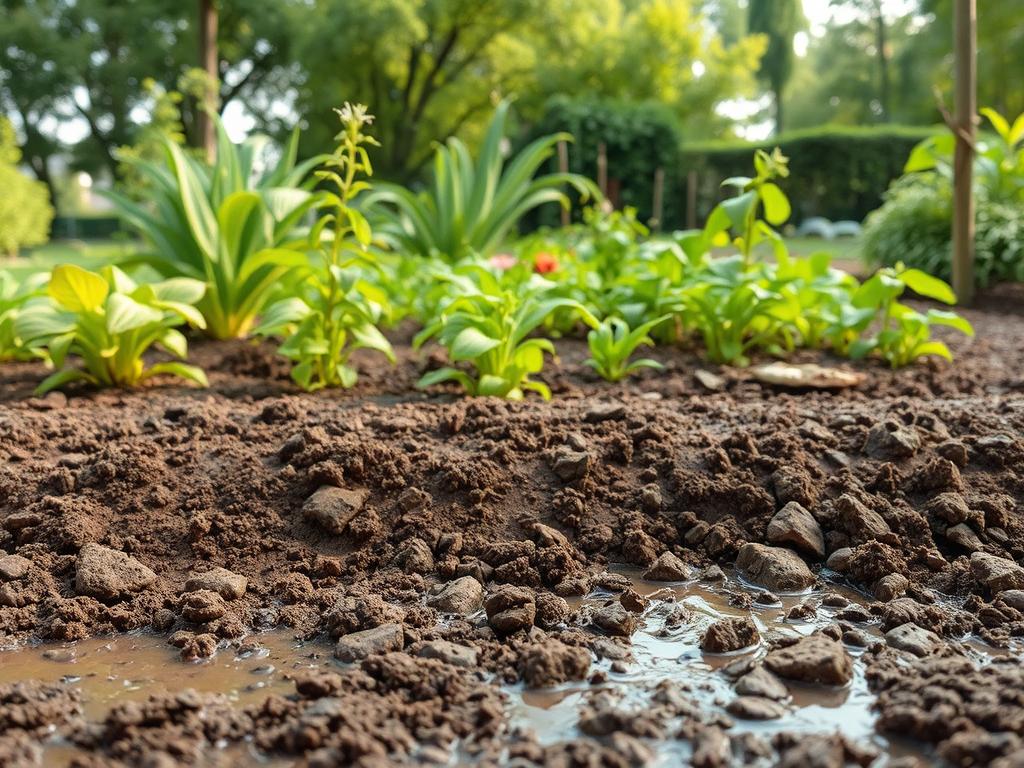
Your garden shows its health through visible signs that you should never ignore. Spotting these signs early helps you use soil drainage solutions before plants suffer lasting damage. Check your landscape after rain to learn more about your soil.
Puddling Water on the Surface
The clearest drainage warning is water that stays on the surface too long. After heavy rain, some moisture is normal, but water should soak into the ground within a few hours. Puddles lasting for days suggest that your soil cannot move water downward.
Standing water keeps oxygen from reaching roots, where plants need it for respiration. When pools appear, use practical tips for better soil drainage to protect your garden beds. Constant saturation means soil pores hold water instead of air.
Stunted Plant Growth
Plants in waterlogged soil often show stress that resembles nutrient deficiencies. Look for yellow leaves, wilting despite moist soil, or weak growth in garden beds. These symptoms appear because roots need oxygen to absorb nutrients effectively.
When soil stays saturated, roots weaken and may rot. Root damage stops plants from taking up needed water and minerals. If plants stay small or fail to grow during peak season, poor drainage may be responsible.
Foul Odors
A strong, unpleasant smell from garden soil is a major warning sign. Anaerobic bacteria cause this odor and thrive where oxygen is scarce. When water fills soil air pockets, these bacteria produce gases smelling like rotten eggs or swampy mud.
This biological change shows that soil health is compromised. Act quickly to restore beneficial aerobic organisms and healthy soil balance. The table below compares healthy soil with poorly drained conditions.
| Indicator | Healthy Soil | Poorly Drained Soil |
|---|---|---|
| Water Absorption | Rapid and consistent | Slow with surface puddling |
| Root Health | Firm and white | Mushy, dark, or decaying |
| Soil Odor | Fresh and earthy | Musty or sulfurous |
| Plant Vigor | Strong, steady growth | Stunted or yellowing |
Why Drainage is Crucial for Plants
Improving clay soil for gardening begins with understanding how drainage affects plant health. Soil that stays saturated leaves most garden plants struggling to survive. Good drainage lets roots breathe and reach the water and nutrients they need.
The Importance of Oxygen in Soil
Healthy soil acts like a sponge, holding both water-filled and air-filled pores. Roots need these air pockets for respiration, which changes nutrients into energy. Without enough oxygen, root cells suffocate and cannot work properly.
Too much water pushes air from these pores, causing a condition called hypoxia. The roots then weaken and become very likely to develop fungal diseases and rot. A balanced soil supports plant health over time.
The Role of Drainage in Nutrient Uptake
Clay soil naturally contains many minerals and holds nutrients well. Yet waterlogged soil keeps those nutrients out of reach. Plants need good drainage to pull water and dissolved minerals efficiently through their roots.
Stagnant water disrupts chemical processes that help roots absorb nitrogen, phosphorus, and potassium. Improving clay soil for gardening helps roots reach these vital nutrients. The table below compares different soil conditions.
| Soil Condition | Oxygen Availability | Root Health | Nutrient Access |
|---|---|---|---|
| Well-Drained | High | Strong and Vigorous | Optimal |
| Saturated | Low | Weak and Prone to Rot | Poor |
| Compacted | Very Low | Stunted Growth | Severely Limited |
Essential Tools for Soil Amendment
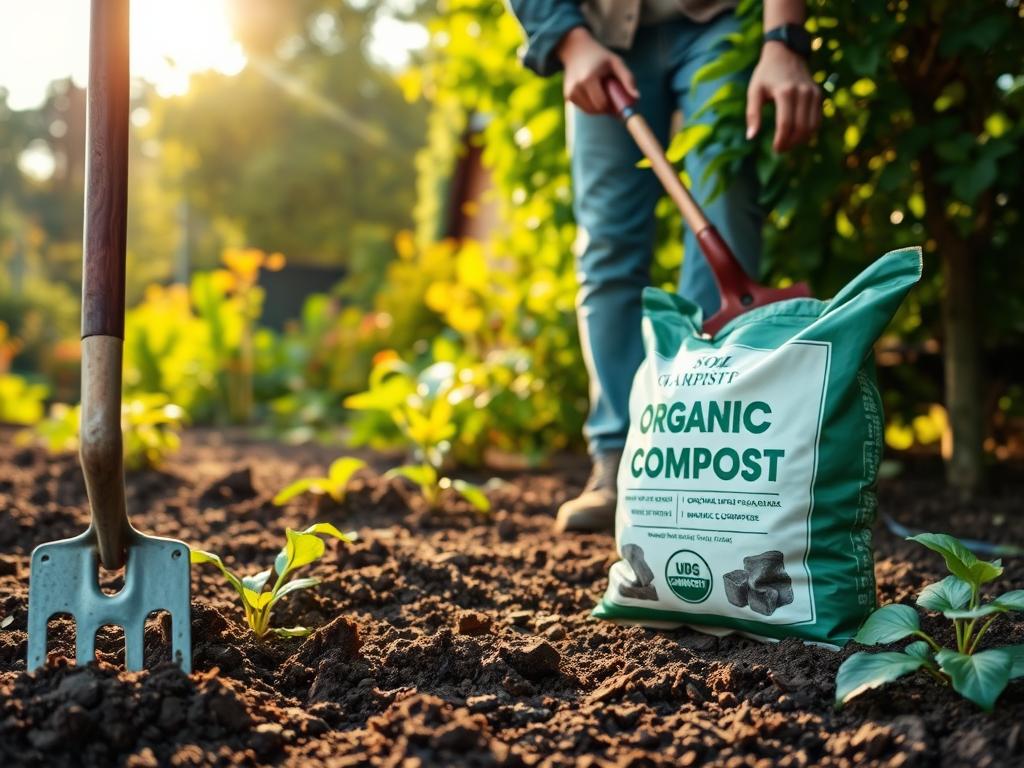
Before using soil amendment methods for clay soil, gather the essential tools. The right equipment makes enhancing soil drainage easier and faster. Dig only when soil feels slightly moist, not saturated or sticky.
Shovels and Trowels
A sturdy, pointed-tip shovel is the main tool for breaking dense clay layers. It provides leverage for turning large sections of earth during initial preparation. For small areas or delicate plants, a heavy-duty hand trowel supports precise work without disturbing nearby roots.
Soil Test Kits
Testing your soil is critical before adding lime, sulfur, or fertilizers. Clay soil often holds nutrients and salts, so check pH levels before amending it. A reliable soil test kit guides choices for your garden’s specific needs.
Rakes and Garden Forks
Garden forks work better than shovels for breaking large, compacted clay clods. They let air and organic matter move deeper without adding excess compaction. After adding amendments, a sturdy rake levels the surface and spreads materials evenly.
| Tool | Primary Function | Best Use | Clay Precaution |
|---|---|---|---|
| Shovel | Digging and turning | Large garden beds | Avoid if soil is sticky |
| Trowel | Precision planting | Small containers | Use only in loose soil |
| Test Kit | Analyzing pH/Nutrients | Pre-amendment check | Test before adding lime |
| Garden Fork | Aerating and mixing | Breaking up clods | Do not force in dry clay |
Natural Amendments to Improve Drainage
Natural amendments offer the best path for long-term clay soil improvement. When you add organic materials, you change the earth’s physical structure instead of only its chemical balance. These clay soil amendment techniques create stable pore spaces, helping water move freely through the ground.
Organic Matter: Compost and Manure
Compost is a primary tool for transforming heavy, dense earth. It adds helpful microorganisms that break clay particles into larger, more manageable crumbs. This crumb structure holds moisture while letting extra water drain away.
Well-aged manure, leaf mold, and shredded bark also work well in garden beds. Make sure these materials fully decompose before mixing them into the soil. Fresh products can tie up nitrogen and temporarily slow plant growth.
Mulches: Benefits and Types
Mulch on your garden’s surface protects the soil. It slows heavy rain, preventing surface sealing and a hard crust. This practice keeps moisture steady and protects soil structure from compaction.
- Wood chips: Ideal for pathways and around established shrubs.
- Straw: Great for vegetable gardens to keep soil cool.
- Leaf mulch: A free, natural option that breaks down to feed the earth.
Gypsum: How It Works
Gypsum is a mineral amendment that can help certain heavy soils. It replaces sodium ions with calcium, helping clay particles form larger aggregates. This process improves water infiltration in soils with high sodium.
However, gypsum does not fix every drainage issue, and its success depends on your soil’s chemical makeup. Before applying it, perform a soil test to see if your garden has sodicity, or high sodium levels. If sodium levels are not high, other organic methods will work much better.
Inorganic Options for Drainage Improvement
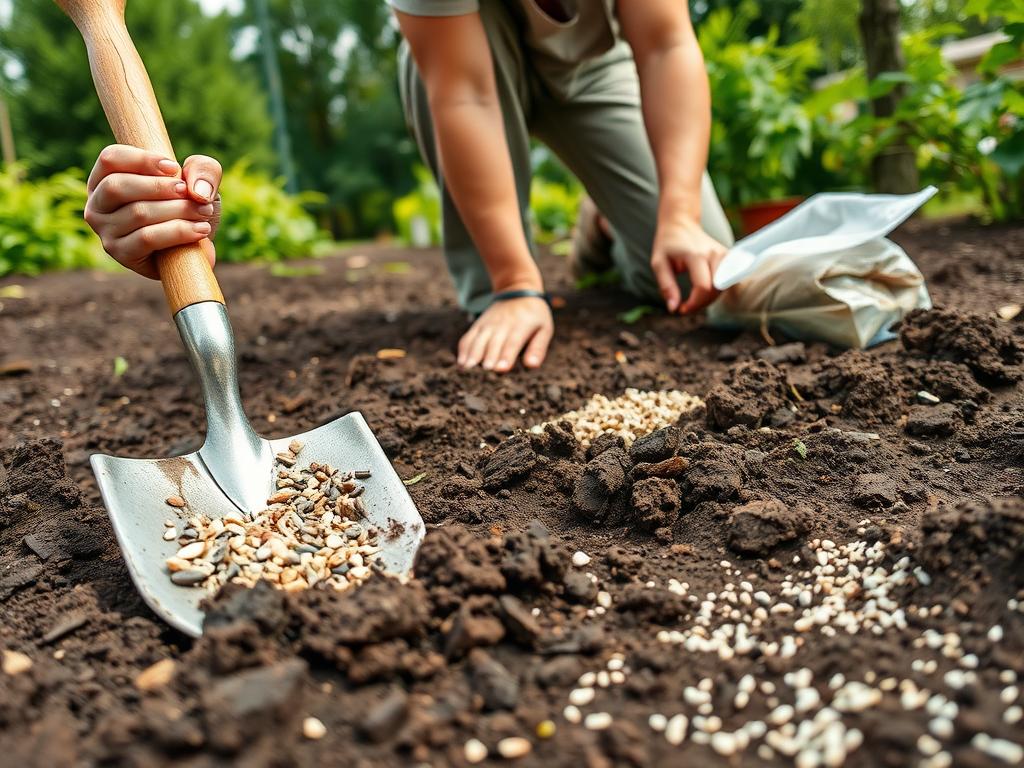
Organic matter is often the gold standard, but inorganic materials also help with amending clay soil for good drainage. They do not decompose, so they create lasting structural changes in garden beds. Still, choose carefully because some materials can harm soil structure when used incorrectly.
Before choosing materials, consult resources such as choosing a soil amendment for advice suited to your site. Use inorganic options with organic matter, not as a complete replacement.
Perlite and Vermiculite
Perlite is volcanic glass heated until it pops like popcorn, creating a light, porous material. It increases aeration and drainage in heavy soils. Its light weight also helps prevent soil from compacting over time.
Vermiculite is a mineral that holds water while still providing some aeration. It works in potting mixes but often performs worse than perlite in heavy clay because it retains too much moisture. For amending clay soil for good drainage, perlite usually improves air circulation better.
Sand: The Right Type Matters
Many gardeners mistakenly think any sand improves soil. In fact, fine sand can create a concrete-like consistency. Its particles fill gaps between clay particles, reducing drainage and restricting root growth.
If you use sand, choose coarse, washed builder’s sand. Even then, you need large quantities, making this choice labor-intensive and expensive. Expanded shale or pea gravel may work better for permanent drainage channels in heavy clay.
| Material | Drainage Effect | Water Retention | Best Use |
|---|---|---|---|
| Perlite | High | Low | Aeration |
| Vermiculite | Low | High | Moisture retention |
| Coarse Sand | Moderate | Very Low | Structural support |
| Expanded Shale | High | Moderate | Permanent drainage |
| Fine Sand | Negative | Low | Avoid |
Step-by-Step Process for Amending Clay Soil
Learning how to amend clay soil for better drainage helps plants flourish. A step-by-step plan can turn dense earth into nutrient-rich soil. Work patiently because rushing can cause more compaction.
Testing Your Soil First
Before physical work, learn about your soil’s current condition. Use a professional soil test kit to check pH levels and nutrient content. This information helps you choose organic matter for your specific garden environment.
Next, check the site’s moisture level. Never work with wet clay because digging or tilling can destroy its structure and increase compaction. Wait for dry weather until the soil feels crumbly and easy to handle.
Preparing Your Garden Bed
Decide whether you will treat an entire bed or individual planting spots. For a full bed, clear weeds and debris to expose the surface. For one shrub or tree, dig a hole two to three times wider than the root ball.
Effective clay soil amendment techniques require working the soil to at least 8 to 12 inches deep. This depth lets roots grow deeper and improves water movement. Clear large rocks and debris that could hinder growth.
Mixing in Amendments
Mix chosen organic matter, such as compost or aged manure, into native soil. Use a garden fork or tiller to blend it thoroughly for a uniform texture. Then add mulch to protect the surface from crusting and maintain steady moisture.
| Amendment Type | Primary Benefit | Application Method |
|---|---|---|
| Organic Compost | Improves soil structure | Mix into top 10 inches |
| Gypsum | Reduces salt/compaction | Spread evenly over surface |
| Coarse Sand | Increases pore space | Blend deeply with soil |
| Leaf Mold | Adds beneficial microbes | Incorporate as top dressing |
Using these methods regularly can improve your garden’s health over time. Soil changes slowly, rewarding gardeners who follow each step. Proper timing and thorough mixing create a sustainable foundation for future plantings.
Maintaining Adequate Drainage
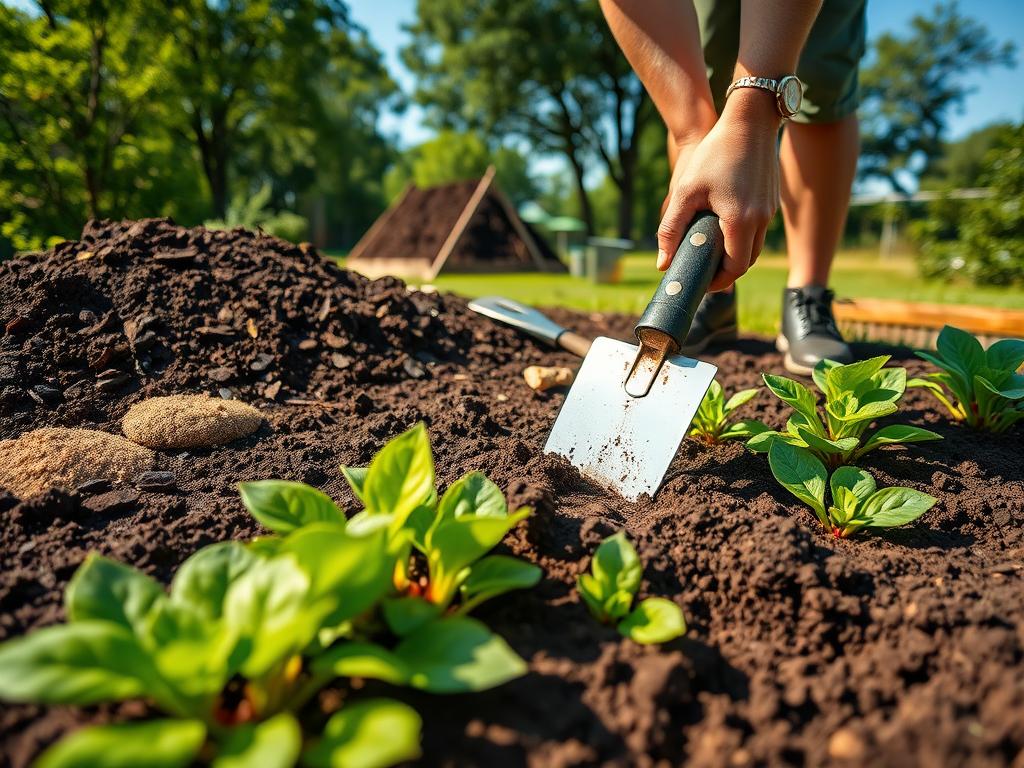
Your garden’s long-term success depends on maintaining the soil structure you worked hard to improve. Regular care keeps your work in enhancing soil drainage effective for years. Proactive care prevents the soil from becoming compact again.
Regular Maintenance Tips
Routine care keeps soil porous and healthy. Focus on these simple habits to keep your garden beds in top condition:
- Apply a fresh layer of organic compost every spring to keep the soil structure loose.
- Use protective mulch to prevent surface crusting and reduce the impact of heavy rain.
- Practice careful cultivation by avoiding heavy foot traffic on wet beds, which causes immediate compaction.
- Inspect your garden regularly for signs of puddling water, which indicates that drainage channels may be blocked.
For established plants, water deeply but infrequently. This encourages roots to grow deeper into the soil. Check moisture first; skip watering when soil feels saturated or muddy, allowing proper aeration.
Seasonal Considerations
Use specific tips for better soil drainage throughout the year to help plants thrive. In spring, gently turn organic matter into your beds before planting begins, then monitor summer watering closely to avoid waterlogged roots.
In autumn, add fresh organic matter to protect the soil surface during colder months. Take extra care in winter because frozen or saturated soil damages easily. Avoid walking on garden beds to protect their air pockets.
Plant Choices for Heavy Clay Soil
As you work on improving clay soil for gardening, choose plants that can reduce stress. Plant selection supports soil amendments, but it cannot fully solve severe drainage problems. Species that tolerate dense, moisture-retentive soil can create a lush landscape as soil structure improves over several seasons.
Best Plants for Drainage Challenges
Some plants evolved to handle the special conditions found in heavy clay. Shrubs like rose of Sharon, viburnum, and spirea are excellent, resilient choices. These woody plants add structure and beauty without needing perfectly drained soil.
For perennial color, add phlox, coneflower, and daylilies to your garden beds. These hardy flowers thrive in many soil types, including moisture-retentive soil. Ornamental grasses add texture and movement, while deep roots help loosen soil over time.
Companion Planting for Better Results
Successful clay gardening requires careful planning when grouping plants. Place species with similar moisture needs together, so no plant becomes waterlogged. This strategy simplifies irrigation and garden bed health checks.
Using different root systems can also support soil health. Mixing deep-rooted perennials with shallow-rooted groundcovers creates a balanced environment for steady moisture control. Organic mulch regulates soil temperature and prevents surface crusting while improving clay soil for gardening.
When to Seek Professional Help
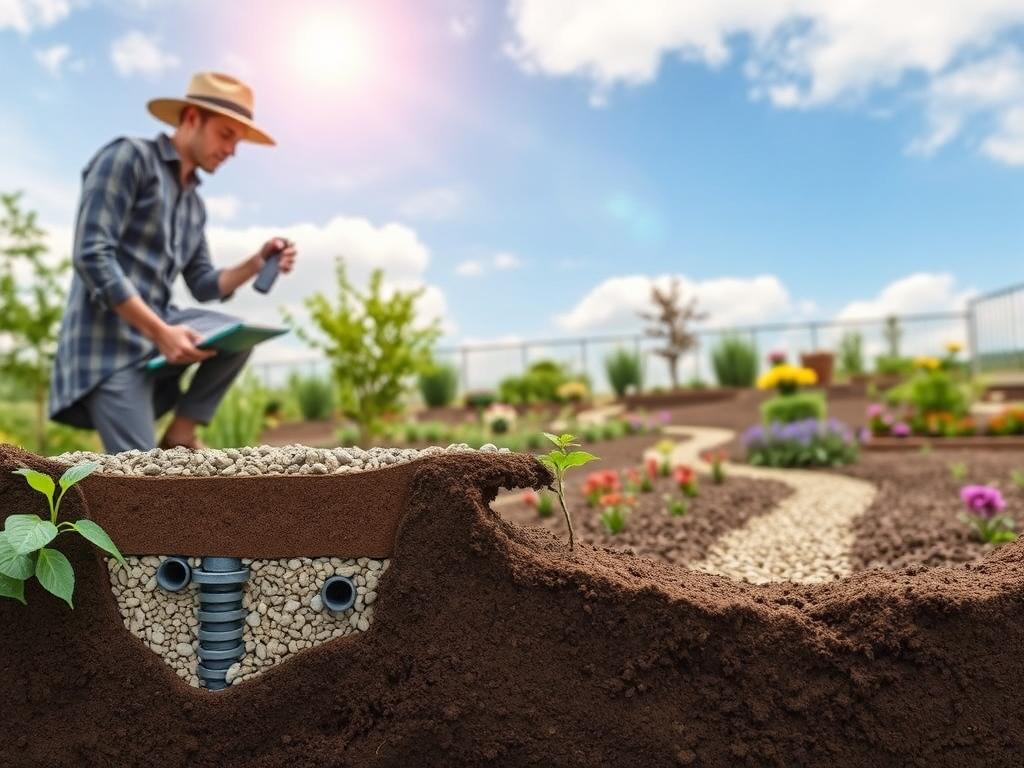
When garden beds stay waterlogged despite your efforts, call a professional. Homeowners can fix minor soil issues, but some problems need expert knowledge to protect property and plants. Expert advice helps you choose the best soil drainage solutions for your landscape.
Recognizing Severe Drainage Issues
Seek professional help when water remains on your lawn long after a rainstorm. Slopes that send runoff toward your home foundation can cause costly structural damage. Plants that repeatedly die from root rot, or beds saturated for days, may signal deeper topsoil problems.
Professionals separate simple soil texture issues from complex drainage problems. They check for high water tables, compacted subsoil, and damaged drainage systems. Finding these defects first is crucial before you invest in more landscaping projects.
What Professionals Can Offer
Experts use several tools and services to solve lasting moisture problems. They often begin with laboratory soil testing to identify your ground’s exact composition. Using professional soil drainage solutions, they can design French drains or swales that redirect water safely.
Specialists also offer irrigation audits and advice on choosing suitable plants. They assess your property’s grading so water flows away from sensitive areas. These services support a sustainable garden that can thrive without constant saturation.
Frequently Asked Questions
Turning heavy clay into a thriving garden bed raises questions for homeowners. When amending clay soil for good drainage, patience and proper methods matter most. These answers cover project timing and garden safety.
How Long Does It Take to See Improvement?
You may notice small texture changes during your first growing season. Major structural changes need years of adding organic matter.
Most gardeners need yearly compost applications for lasting results. Over several years, this builds crumbly soil that supports healthy roots.
Can Amendments Harm Existing Plants?
Poorly applied amendments can stress or damage established plants. Digging near roots can cause physical injury and stunt growth.
Fresh manure can burn roots because it contains high nitrogen levels. Test pH products and fertilizers for your soil before use to prevent salt buildup.
- How long until I see results? While you might see surface changes quickly, true structural improvement for amending clay soil for good drainage usually takes three to five years of consistent organic matter additions.
- Are there risks to my current plants? Yes, if you disturb roots during the mixing process or apply uncomposted materials, you risk damaging the health of your existing garden.
- Should I add sand to my soil? Adding sand to clay is generally discouraged, as it can create a concrete-like mixture that worsens drainage rather than helping it.
- How does drainage affect watering? Once you improve your soil, it will hold moisture more efficiently, meaning you will likely need to water less frequently than you did with compacted clay.
Conclusion: Enjoying a Healthy, Well-Drained Garden
Creating a thriving landscape takes patience and proven soil amendment methods for clay soil. Test your soil, avoid working it when wet, and add organic matter such as compost. Protect the surface with mulch and adjust your watering schedule to complete this care cycle.
Summary of the Improvement Process
Improving heavy soil takes time. Organic matter decomposes slowly, while soil biology builds a stable structure. Using these soil amendment methods for clay soil consistently makes garden beds more porous over time.
Long-Term Advantages for Your Plants
Transforming your garden with soil amendment methods for clay soil brings significant rewards. You will need less frequent watering and fewer synthetic fertilizers. Better root oxygen and drainage strengthen anchorage, support healthier growth, and improve resilience against environmental stress.