At a Glance
Focused residential services can bring the first 10 clients through neighborhood targeting, visible proof, clear pricing, and steady follow-up. This guide helps property owners find dependable mowing, trimming, edging, and cleanup while covering equipment, referrals, reviews, insurance, and sustainable growth.
“Do what you can, with what you have, where you are.” — Theodore Roosevelt. That practical spirit fits anyone learning how to start a lawn maintenance business. Choose one service menu, confirm local demand, register legally, and build trust through consistent outreach.
The U.S. has more than 85 million lawns and about 634,000 lawn care companies. Households spent roughly $214 on these services during 2023. Strong demand exists, yet clear positioning matters.
Expect practical guidance on equipment, pricing, Google Business Profile, direct outreach, referrals, customer experience, reviews, insurance, and steady growth.
Key Takeaways
- Focus first on residential property owners.
- Offer mowing, trimming, edging, and cleanup.
- Use local proof and prompt follow-up.
- Set simple prices before outreach.
- Build trust through reviews and referrals.
- Protect operations with proper registration and insurance.
At a Glance
Ten residential customers can arrive quickly through focused routes, clear pricing, reliable equipment, visible results, and daily outreach. This simple business model limits travel and builds trust within nearby neighborhoods.
GorillaDesk reports average professional income above $127,000, with full-time revenue near $130,000. U.S. households spent about $214 on lawn care during 2023, showing strong demand for dependable services.
- Micro operations may need $0–$500. Full-time work often needs $1,500–$5,000 plus vehicle costs.
- Recurring mowing and maintenance support predictable schedules. Delay aeration or pest control until demand becomes clear.
- General liability and commercial auto insurance guard equipment, customer property, and travel risks.
- Use Google Business Profile, referrals, flyers, realtors, HOAs, and neighborhood signs for quick reach.
Keep lawns neat with consistent mowing, trimming, and cleanup. Review commercial landscape services for added ideas. Strong proof and prompt replies can turn nearby interest into booked service.
Choose a Lawn Care Business Model That Fits Your Goals
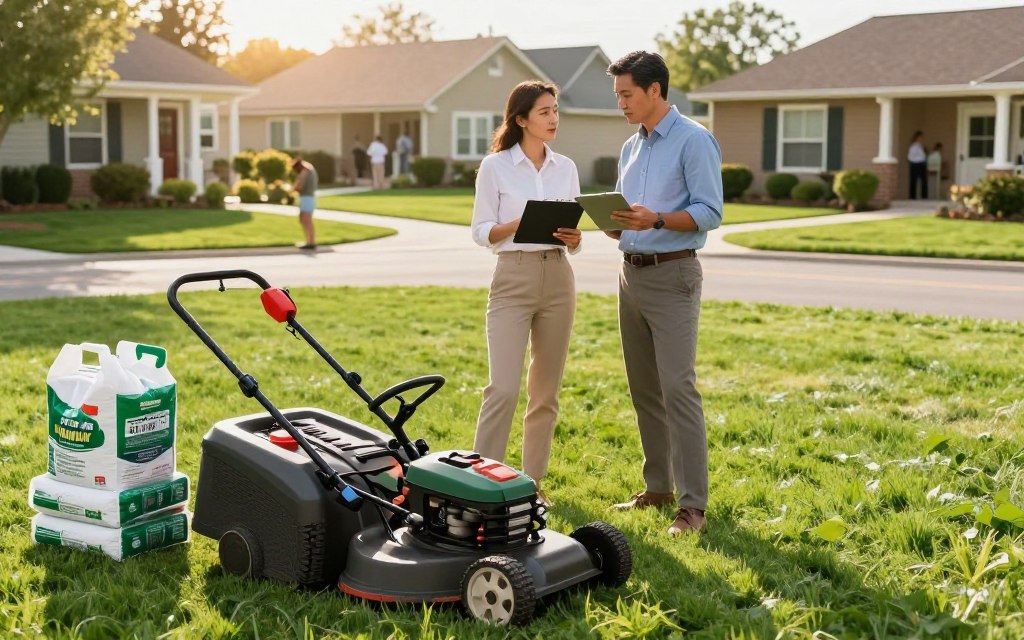
Your available hours, vehicle, and income target should shape your care plan. Choose one clear path, then build dependable routes before adding complex work.
Micro, Part-Time, and Full-Time Service Options
GorillaDesk estimates that micro operators may invest $0–$500, work 10–20 hours each week, and reach about $15,000 in revenue. Borrowed SUV space, push mower, two gas cans, and string trimmer may meet early needs.
Part-time operators may spend $500–$1,500 plus vehicle costs, work 20–30 hours, and earn up to $50,000. Full-time operators often invest $1,500–$5,000 plus vehicle costs, work near 40 hours, and target roughly $130,000.
Residential Services Worth Offering First
Begin with mowing, edging, trimming, blowing, grass collection, and basic leaf cleanup. Homeowners often value reliable recurring care more than long menus. Tree work, irrigation, pest control, and broad landscaping services can require added insurance, permits, equipment, or skill.
| Model | Weekly hours | Typical setup |
|---|---|---|
| Micro | 10–20 | Push mower and trimmer |
| Part-time | 20–30 | Vehicle and core tools |
| Full-time | About 40 | Truck, trailer, zero-turn mower |
Research Your Local Lawn Care Market
Market research reveals where demand exists and which offers already attract attention. Study nearby companies before choosing service areas, prices, or promotional messages.
Compare Competitors, Prices, Reviews, and Service Areas
Check Google Business Profile, Facebook, Angi, and LawnStarter listings. Record prices, review counts, promotions, response speed, company size, and add-on services such as soil aeration or weed control. GorillaDesk reports roughly one provider for every 134 U.S. lawns, while some homeowners see five or six cards each spring.
Find Neighborhoods With Strong Demand
Map single-family streets, older residents, rental turnover, HOAs, and visible overgrowth. Local SEO can reveal searches such as “weekly mowing” or “weed control in Dallas.” Estimate route density before quoting. Shorter drives protect profit and create room for more customers.
- Track prospects with customer relationship management software.
- Review insurance needs, including general liability insurance and commercial auto insurance.
- Compare at least 10 nearby providers before selecting one service zone.
| Research Area | What to Record | Why It Matters |
|---|---|---|
| Listings | Profiles, ratings, photos | Shows trust signals |
| Pricing | Minimum charge, frequency | Supports fair quotes |
| Neighborhoods | Density, travel time, demand | Improves route profit |
Create a Practical Business Plan and Startup Budget

Profit begins with numbers that match your route, tools, and available hours. Write one page covering your business name, target homes, service area, mowing offer, weekly capacity, minimum price, marketing channel, and revenue goal. The SBA planning guide can help shape this plan.
GorillaDesk lists equipment costs from $330 up to $70,000. A micro setup may cost $0–$500, while part-time work often needs $500–$1,500 plus vehicle costs. Full-time work may require $1,500–$5,000. Trailers can add $1,000–$5,000.
Track fuel, blades, repairs, insurance, software, taxes, disposal, and unpaid travel. If fixed costs reach $600 monthly and each job contributes $40, the break-even point is 15 jobs. Keep extra cash for rain delays, then review results each month.
| Model | Setup range | Core equipment | Work level |
|---|---|---|---|
| Micro | $0–$500 | Push mower, trimmer, blower | 10–20 hours weekly |
| Part-time | $500–$1,500 plus vehicle | Vehicle and trailer | 20–30 hours weekly |
| Full-time | $1,500–$5,000 plus vehicle | Commercial mower and trailer | About 40 hours weekly |
Register Your Business and Meet United States Requirements
Legal setup protects your first clients and supports steady growth. Rules vary by state, county, and city, so check official agencies before offering lawn care services. The SBA launch guide can help you build an early compliance plan.
Choose Structure and Confirm Local Filings
Compare sole proprietorship, LLC, and corporation options. Review setup cost, tax treatment, recordkeeping, growth potential, and personal liability protection. Contact your Secretary of State, city clerk, and county office about each required business license.
Check rules for an EIN, sales tax permit, lawn care license, and pesticide permit. Some states require special approval for pesticide use. Request an EIN from the IRS when needed, then separate company funds from personal funds. A tax professional can explain estimated tax payments and deductions.
Match Coverage With Work Risks
General liability may cover property damage from a mower-propelled rock. GorillaDesk reports plans may cost near $100 per month. Commercial auto insurance applies when vehicles carry tools. Workers’ compensation may become mandatory after hiring staff.
| Requirement | Purpose | Where to Check |
|---|---|---|
| Business license | Local operating approval | City or county office |
| EIN | Federal identification | IRS |
| Pesticide permit | Regulated chemical use | State agency |
Buy Essential Lawn Care Equipment Without Overspending
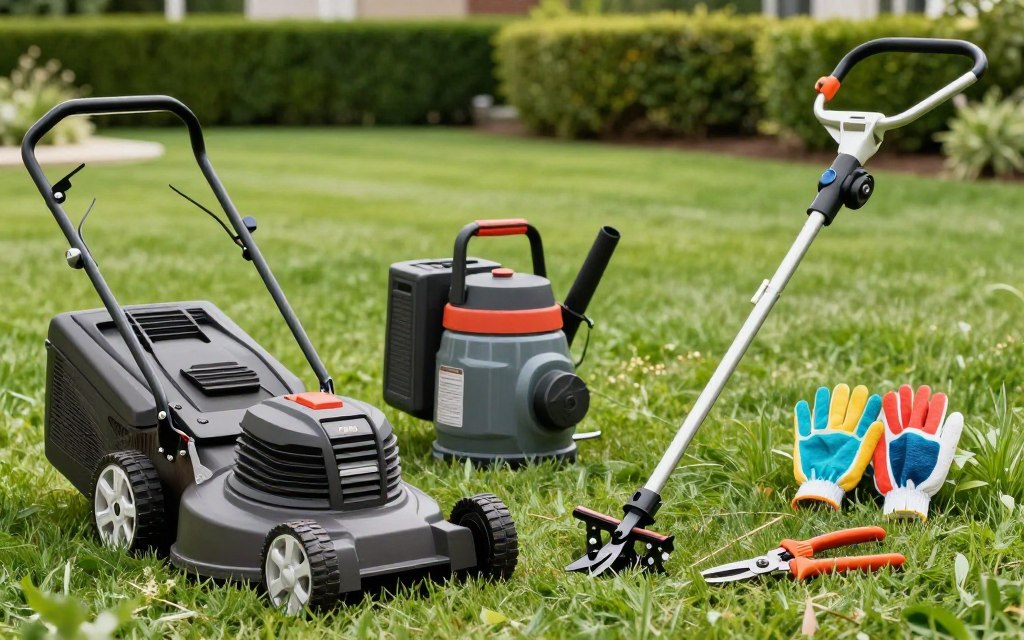
Smart purchases keep early costs low and help each route run smoothly. Choose durable equipment that matches property size, terrain, transport space, and weekly demand.
Mower, Trimmer, Edger, Blower, and Cleanup Tools
Use these cost ranges as spending limits before visiting dealers:
- Mower: $250–$4,000; choose push models for small yards or zero-turn models for broad properties.
- String trimmer: $80–$300; edger: $50–$200; blower: $80–$300.
- Rake, broom, grass bags, shears, shovel, and hand tools support clean finishes.
Husqvarna models worth comparing include the LC347iVX mower, 520iLX or 525iLK trimmer, and 550iBTX blower. Check charge time, noise, fuel access, and job duration before purchase. Aerators, hedge gear, hoses, and sprayers can wait until demand supports them.
Transportation, Fuel, and Upkeep
Vehicle costs range from $0 to over $60,000. Trailers may cost $1,000–$5,000. Select one with lockable compartments. Store fuel in the Husqvarna Combi Can 15L, inspect blades and line often, and log service dates.
Personal Protection and Site Safety
Wear protective footwear, gloves, eye and hearing protection, suitable clothing, and head protection when conditions require it. Confirm liability insurance before paid work.
Set Profitable Lawn Mowing and Maintenance Prices
Price each job from full costs, not from the lowest rival quote. Count labor, travel, fuel, blades, equipment wear, insurance, permits, taxes, disposal, payment fees, and profit. This method gives your lawn care business room to handle repairs and slow weather weeks.
For example, 45 minutes on site plus 15 minutes of travel may equal one labor hour. Add $6 for fuel and wear, $5 for insurance and overhead, then value labor at $30. With a 25% profit margin, the visit price reaches about $52. Set one minimum service price for every residential property.
- Use separate rates for weekly mowing, biweekly visits, and overgrown grass cleanup.
- Include trimming, edging, blowing, bagging, and payment time in each quote.
- Review the first 10 jobs. Raise rates when route time or costs reduce profit.
GorillaDesk cites roughly $130,000 in full-time revenue potential and advises firm minimum pricing. General liability coverage may cost near $100 monthly. Present clear prices, avoid haggling, and track results within your care business plan.
Build Local Visibility Before Your First Service Calls
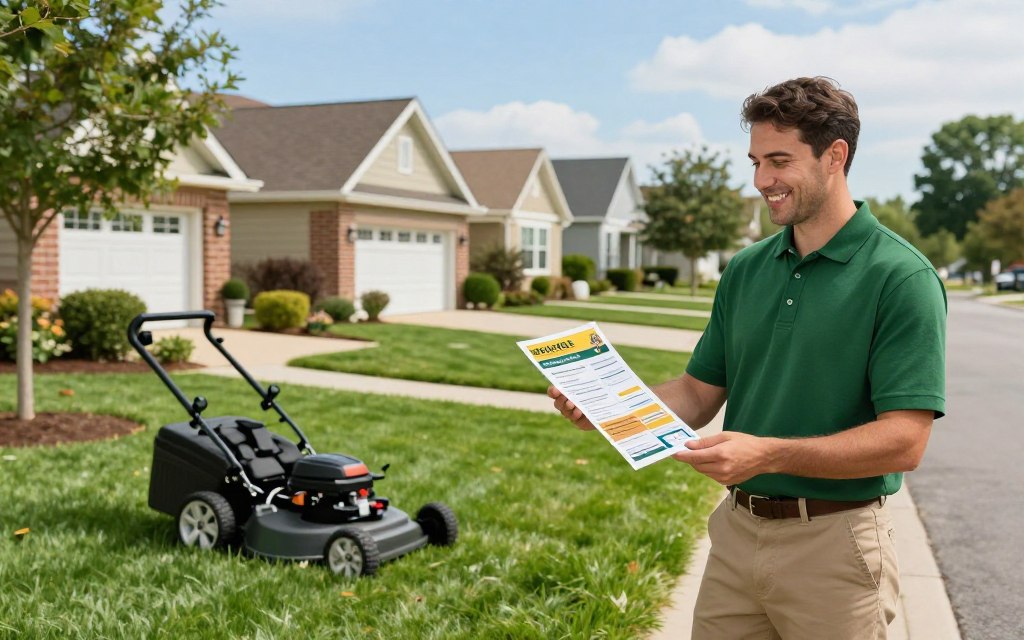
Visibility turns nearby searches into calls before crews visit their first property. Use one clear message across online listings, signs, and printed marketing.
Google Business Profile, Website, and Local SEO
Claim Google Business Profile with the registered name, phone number, hours, service areas, photos, and residential category. Add mowing, landscaping services, insurance details, pricing guidance, credentials, and a quote form on the website. Use phrases such as “lawn care in Phoenix,” “residential mowing near me,” and “lawn maintenance in Tempe.” These terms support local search and help new customers find the right service.
People who start lawn care business work can also build trust through Yelp, Angi, Nextdoor, Thumbtack, Facebook, and Instagram. Keep contact details consistent across each citation. Share useful care tips, neighborhood updates, project photos, and customer reviews.
Flyers, Door Hangers, Vehicle Signs, and Social Media
Distribute door hangers near target streets when local rules permit. GorillaDesk reports one professional delivered 1,000 flyers in one week. Pair this offline marketing with readable vehicle signs and branded shirts. Both create conversation starters during visits.
- Post before-and-after images with location tags.
- Use simple marketing channels with quick responses.
- Record each lead, source, quote, and follow-up time.
Use Direct Outreach to Win Your First Ten Clients
Personal contact can fill an early route faster than broad online promotion. Begin with people who already trust your work, then expand into nearby streets.
Referrals From Friends, Family, Realtors, HOAs, and Local Partners
Ask relatives, friends, neighbors, realtors, HOA leaders, garden centers, property managers, and nearby companies for introductions. GorillaDesk suggests seeking the first one or two lawns through personal contacts. Share your service area, price minimum, insurance status, and open appointment window.
Use this first-client outreach guide for script ideas. Follow every lead within one workday, record the source, quote, response, and scheduled date.
Distressed Lawns, Introductory Offers, and Neighborhood Route Density
Walk or drive streets within 15 miles. Spot overgrown grass, then leave a flyer where local rules allow. One professional distributed 1,000 flyers in one week. Offer a limited rate for one visible corner property, with permission for signage and an honest review.
- Cluster ten clients on nearby streets.
- Explain the exact service and visit window.
- Track lost jobs and improve each outreach round.
| Lead Source | Fast Action | Target Result |
|---|---|---|
| Personal contacts | Request introductions | First two clients |
| Distressed turf | Deliver compliant flyers | Quote requests |
| Nearby routes | Group visits by street | Lower travel time |
Deliver a Professional Customer Experience That Generates Reviews
Strong communication turns first visits into lasting relationships. Give each customer clear expectations, reliable arrival times, and visible results. These habits help your care business earn trust without costly marketing.
Reliable Scheduling, Clear Quotes, and Consistent Lawn Quality
Send written quotes before work begins. Include visit frequency, trimming, edging, cleanup, payment terms, cancellation rules, and weather plans. Appointment software or CRM tools can manage messages, schedules, property notes, and repeat services. Explore client portal software for smoother communication.
Arrive within the promised window. If rain or traffic causes delay, notify the customer promptly. During each job, check irrigation heads, pet waste, toys, and tree roots. Cut no more than one-third of grass blade length. Vary mowing patterns when suitable, then clear clippings from walks, drives, and patios. Save permitted photos and record the next visit.
Referral Requests, Google Reviews, and Customer Follow-Up
After successful work, send thanks with your direct Google review link. Request honest feedback without pressure. Offer one free mowing for each successful referral, or test discounts for repeat bookings. Measure every offer against customer lifetime value. A brief follow-up message can keep clients engaged and support steady service growth.
Avoid Common Lawn Care Business Mistakes
Early mistakes can drain cash before your route becomes steady. Use simple checks for prices, purchases, hiring, and service choices. These checks protect your care business and keep customer trust strong.
Underpricing Jobs and Ignoring Hidden Costs
Never copy the cheapest local quote. Add travel, fuel, blades, repairs, commercial auto insurance, general liability, taxes, payment fees, and unpaid office work. Review each job after completion. If the margin stays thin, raise the minimum charge or tighten your route.
GorillaDesk places basic equipment costs near $330 to $70,000. That wide range shows why staged buying makes sense. Purchase only needed tools, such as one mower, trimmer, and blower, after recurring demand supports them. Delay costly trailers, aerators, and hedge gear.
Expanding Services and Hiring Too Soon
Keep the first menu narrow. Tree work, pest control, irrigation, snow removal, and broad landscaping services may require training, permits, license checks, and added insurance. Winter tree spraying can earn $2,000–$3,000 per day in some regions, yet skill and legal control still matter.
- Hire only when repeat demand exceeds personal capacity.
- Budget payroll, supervision, workers’ compensation, and quality control.
- GorillaDesk cites 1.7 million absent workers, so recruiting may take time.
- Review the plan after weather, cancellations, failures, or rule changes.
Conclusion
Your first ten clients become the test for every operating choice. Keep residential services narrow, confirm nearby demand, and match tools, hours, and route size with available funds.
Before regular jobs, complete registration, check city and state licenses or permits, secure suitable insurance, and separate company funds. Set minimum pricing that covers labor, travel, fuel, equipment, taxes, insurance, and profit.
- Reach prospects through referrals, realtors, HOAs, neighborhood outreach, distressed properties, introductory jobs, Google Business Profile, and local SEO.
- Arrive on time, deliver consistent results, follow the one-third mowing rule, and communicate clearly.
- Request reviews and referrals after successful service.
- Reinvest only after recurring demand proves profit. Then add routes, equipment, staff, or specialty services based on measured results.
Track every quote, visit, cost, review, and referral. This disciplined approach supports steady growth across United States neighborhoods.