How to Prepare Soil for Sod Installation: Complete Pre-Laying Checklist
“By failing to prepare, you are preparing to fail.” — Benjamin Franklin
Prepare the soil before sod installation to build a healthy, durable lawn. Soil condition, grading, drainage, irrigation coverage, sunlight, site access, and yard use all affect the result. This guide helps homeowners plan a new lawn for a front yard, backyard, play area, patio edge, or post-construction space.
ABC LandCrafters brings more than 15 years of landscaping experience to Los Angeles, Sherman Oaks, the San Fernando Valley, and nearby communities. As a family-owned company, our team checks for compacted soil, poor drainage, uneven grades, and other issues before delivery. These problems can weaken a sod lawn and increase care needs.
This service page walks through site evaluation, plant removal, soil improvement, grading, starter fertilizer, laying grass, rolling, watering, and early care. It also helps each customer decide when professional landscaping support makes sense. Call (470) 807-5770 or email us to discuss your home project.
Key Takeaways
- Good soil supports a lasting lawn.
- Drainage and grading need early attention.
- Sunlight and irrigation guide grass selection.
- Preparation should finish before delivery.
- Professional service can simplify complex yards.
Sod Installation Soil Preparation Checklist
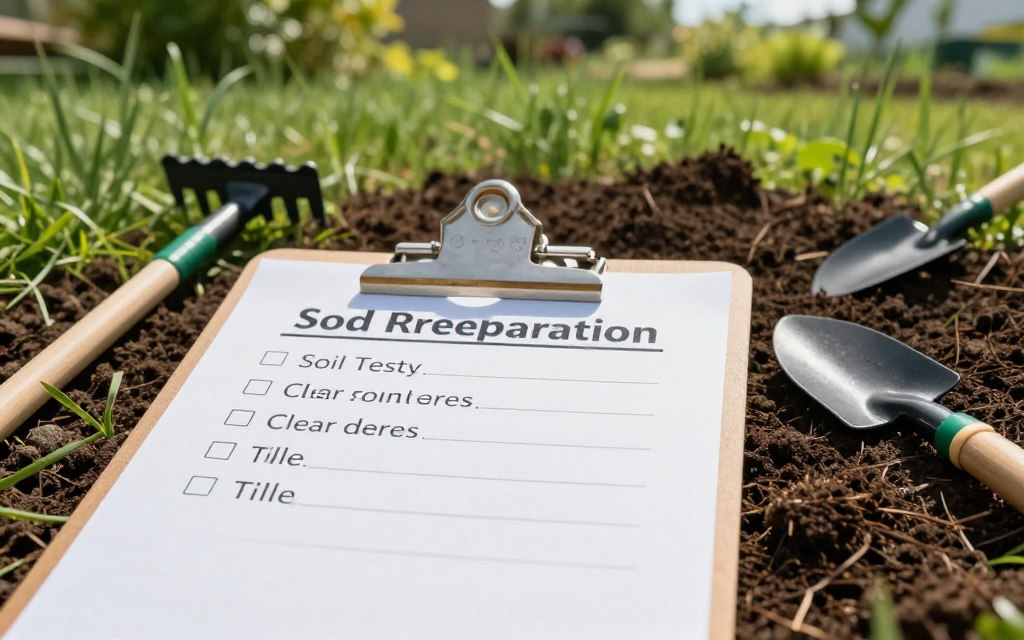
Sod installation needs a cleared, graded, irrigated, and firm soil surface before delivery. After placement, water the grass at once and follow an early care plan. This simple process helps the lawn root well, limits gaps, and supports a cleaner result across residential areas.
Use this guide: measure the area, assess sunlight, inspect sprinklers, fix drainage, remove debris, improve soil, grade the site, add fertilizer, lay the grass, roll lightly, and water.
- Confirm hoses, tools, sprinklers, and access before delivery day.
- Keep the surface workable and firm before lawn installation begins.
| Preparation task | Homeowner check | Recommended timing |
|---|---|---|
| Measure the area | Record square footage and special cuts | Before a price review |
| Check the surface | Confirm grade, drainage, and cleared soil | Before delivery |
| Plan early care | Test water coverage and gather supplies | One day before placement |
Sod and Seed, Inc. lists a $950 price for areas up to 2,000 square feet. Larger projects may have higher pricing because of square footage, access, slopes, pavers, special cuts, and labor. Projects above 9,000 square feet require a scope review at (925) 435-7874. Their service includes starter fertilizer, layout, cutting, rolling, and excess material disposal.
Evaluate the Lawn Area Before Sod Installation
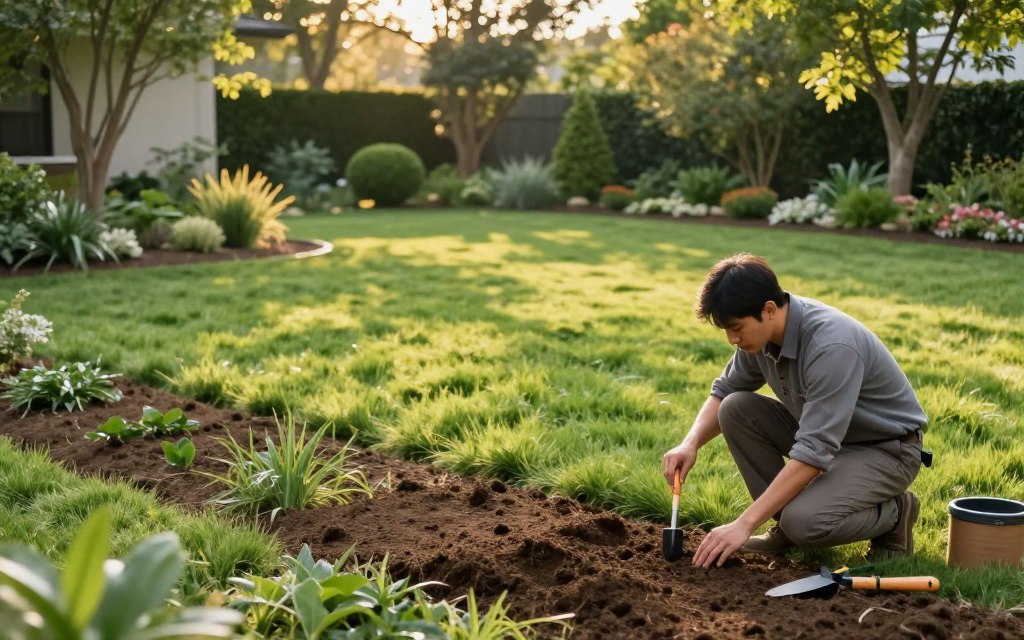
A careful site review reveals problems that measurements alone cannot show. Check the yard before ordering grass, especially in Los Angeles, Sherman Oaks, and the San Fernando Valley.
Measure the Site, Sunlight, and Access
Measure each area in square feet. Record sections near patios, walkways, planting beds, driveways, and gravel. Note daily sun, shade, pets, and family use. Photograph gates, stairs, slopes, pavers, and backyard routes. A narrow path or small-truck delivery may affect the project plan.
Check Irrigation Coverage and Drainage
Place equal containers around the lawn and run the sprinkler system. Look for dry spots, overspray, broken heads, and uneven coverage. Check the ground after watering or rain. Standing water, runoff, erosion, and low areas may need drainage work or grading before delivery.
Identify Slopes, Hardscape, and Soil Problems
Heavy shade may limit grass options, while partial shade depends on the selected variety. Pavers, stepping stones, unusual shapes, and tight access can raise labor and delivery costs. For a professional review, explore residential lawn services.
| Check | What to record | Why it matters |
|---|---|---|
| Size | Square feet and separate sections | Improves material planning |
| Water | Dry zones and standing water | Guides irrigation changes |
| Access | Gates, stairs, slopes, and paths | Clarifies delivery needs |
Prepare and Grade the Soil for a Healthy Sod Lawn
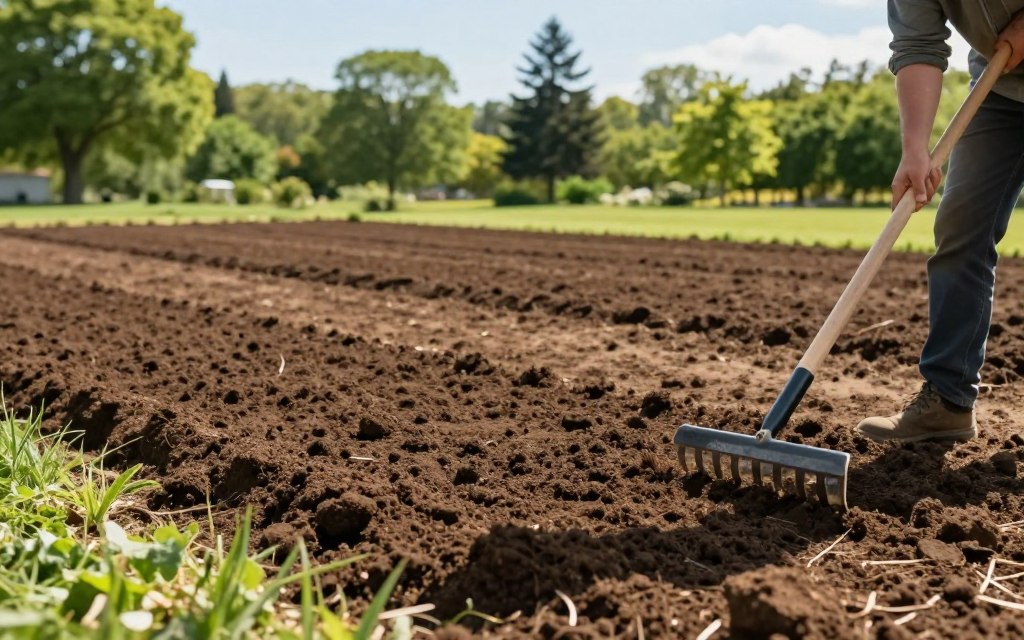
A durable lawn begins with a clean, stable, and well-shaped planting bed. Clear the site before laying sod, then improve the soil, check drainage, and create smooth edges near hardscape and planters. This preparation supports strong roots and simpler maintenance.
Remove Grass, Weeds, Rocks, and Debris
Remove old grass, weeds, roots, rocks, trash, and construction debris. Take out oversized material that could block even contact between the new grass and prepared soil. Check corners, planting beds, and narrow areas where hidden waste often remains.
- Clear loose roots and organic clumps.
- Remove buried stones, wood, and concrete pieces.
- Define clean edges beside paths, patios, and planters.
Improve Compacted Soil With Quality Topsoil
Compacted ground limits root growth and water movement. Loosen hard sections with a tiller or garden fork. Blend quality topsoil into those sections instead of spreading a thin layer that may settle unevenly.
Use grading to fill low pockets and guide water away from structures. The finished surface should feel firm underfoot but remain workable for root contact. Difficult access through stairs, homes, or narrow passages can add labor, so plan material delivery early. For step-by-step guidance, review this soil preparation guide.
Complete the Pre-Laying Checklist and Install the Sod
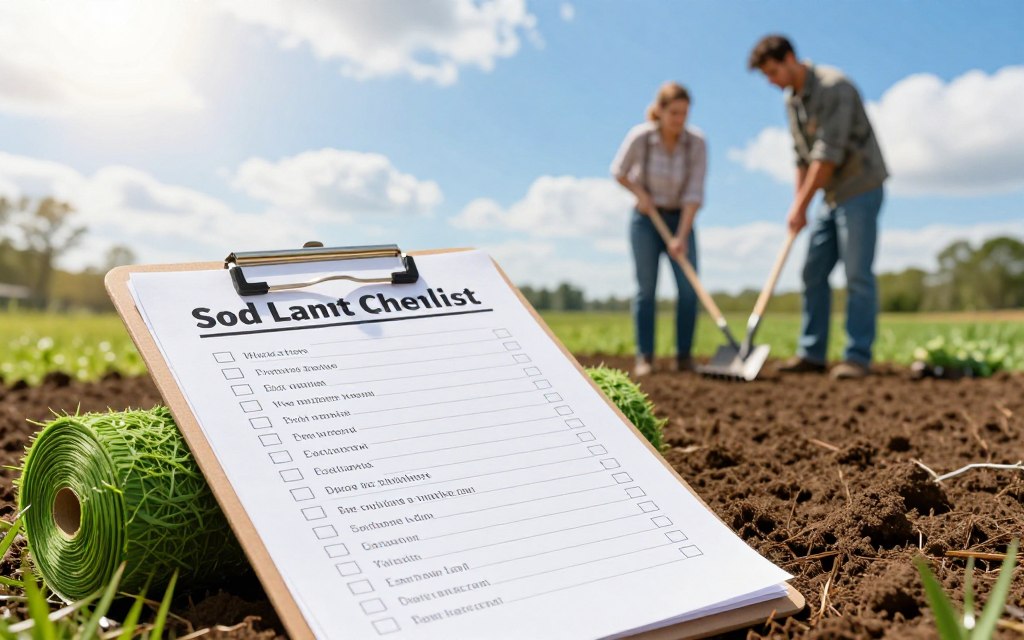
Small details on delivery day can shape the lawn’s long-term health. Confirm water access, crew entry, material handling, and the final price before work begins. This pre-laying checklist can help the customer review each factor.
Apply Starter Fertilizer and Create a Firm Surface
Apply starter fertilizer across the prepared soil. Sod and Seed, Inc. includes this step, layout, perimeter cuts, rolling, and pallet disposal in its listed service. The surface should feel smooth and firm, with no air pockets. Avoid heavy compaction, which can block roots and water.
Lay Sod With Tight, Staggered Seams
Begin at a straight fence, sidewalk, house, or driveway edge. Work from the farthest area toward the exit to protect fresh grass. Unroll each piece, slide it into place, and trim from the soil side with a utility knife. Keep seams tight in a brickwork pattern. Never overlap them.
On steep slopes, place strips across the grade to limit erosion during heavy rain in the first two weeks. Roll the finished lawn twice in different directions. For areas up to 2,000 square feet, Sod and Seed, Inc. lists a $950 price. Confirm disposal, access, and early care with the crew. For larger installations, request a professional landscape service review.
| Task | Action | Purpose |
|---|---|---|
| Fertilizer | Apply before laying grass | Supports early root growth |
| Seams | Stagger and press edges together | Limits gaps and drying |
| Rolling | Pass twice in separate directions | Improves soil contact |
Water New Sod and Avoid Common Installation Mistakes
Healthy roots depend on prompt watering and gentle care. Once sod is installed, water each finished area within one hour, even while crews continue work in other sections.
Prevent Watering Errors and Foot Traffic
Common installation mistakes include delayed watering, one poorly placed sprinkler, dry seams, and puddles. Reduce irrigation when puddles form. If standing water remains, request a drainage and grading review. Learn more in this common mistakes guide.
Protect the Lawn During Early Root Establishment
During the first two weeks, check moisture often. Summer conditions may require up to 1.5 inches daily, while winter may need water only once weekly. Limit pets, children, furniture, and repeated foot traffic until roots hold firmly. ABC LandCrafters provides care guidance for the first 30 days.
Who Should Evaluate Irrigation?
A qualified irrigation professional or landscape crew should evaluate coverage, pressure, drainage, local conditions, and access needs. ABC LandCrafters can review the yard and provide first-30-days care guidance for a new lawn.
What Preparation Does New Grass Require?
New grass needs firm soil contact, even moisture, and protected seams. Water every finished area within one hour while other sections remain in progress, then check moisture often during early rooting.
How Often Should New Grass Be Watered?
During the first two weeks, keep soil beneath the grass moist, never dry. Summer may need up to 1.5 inches daily; winter may need water once weekly when conditions are dry.
Why Must Heavy Foot Traffic Wait?
Heavy foot traffic can shift seams, press out air, and damage fragile roots. Wait until the grass resists lifting, and follow project guidance through the first 30 days of care.
Conclusion
A successful sod installation starts with accurate measurements, sunlight checks, irrigation testing, drainage correction, debris removal, soil improvement, grading, fertilizer, and a firm surface. This process gives each sod lawn a stronger base and helps the grass root evenly.
Keep seams tight, lay strips across slopes, roll with care, and water within one hour. The first two weeks need steady moisture and limited foot traffic. Use this complete lawn guide for ongoing care and maintenance tips.
Price and pricing depend on square footage, access, slopes, hardscape, delivery, disposal, soil work, and other factors—not grass alone. A qualified landscaping service can review these details before lawn installation. Explore professional lawn services for planning support.
ABC LandCrafters serves Los Angeles and the San Fernando Valley. Its family-owned crew brings more than 15 years of experience. Contact the team at (470) 807-5770 for a customer consultation. California contractor license: CSLB #1046696.